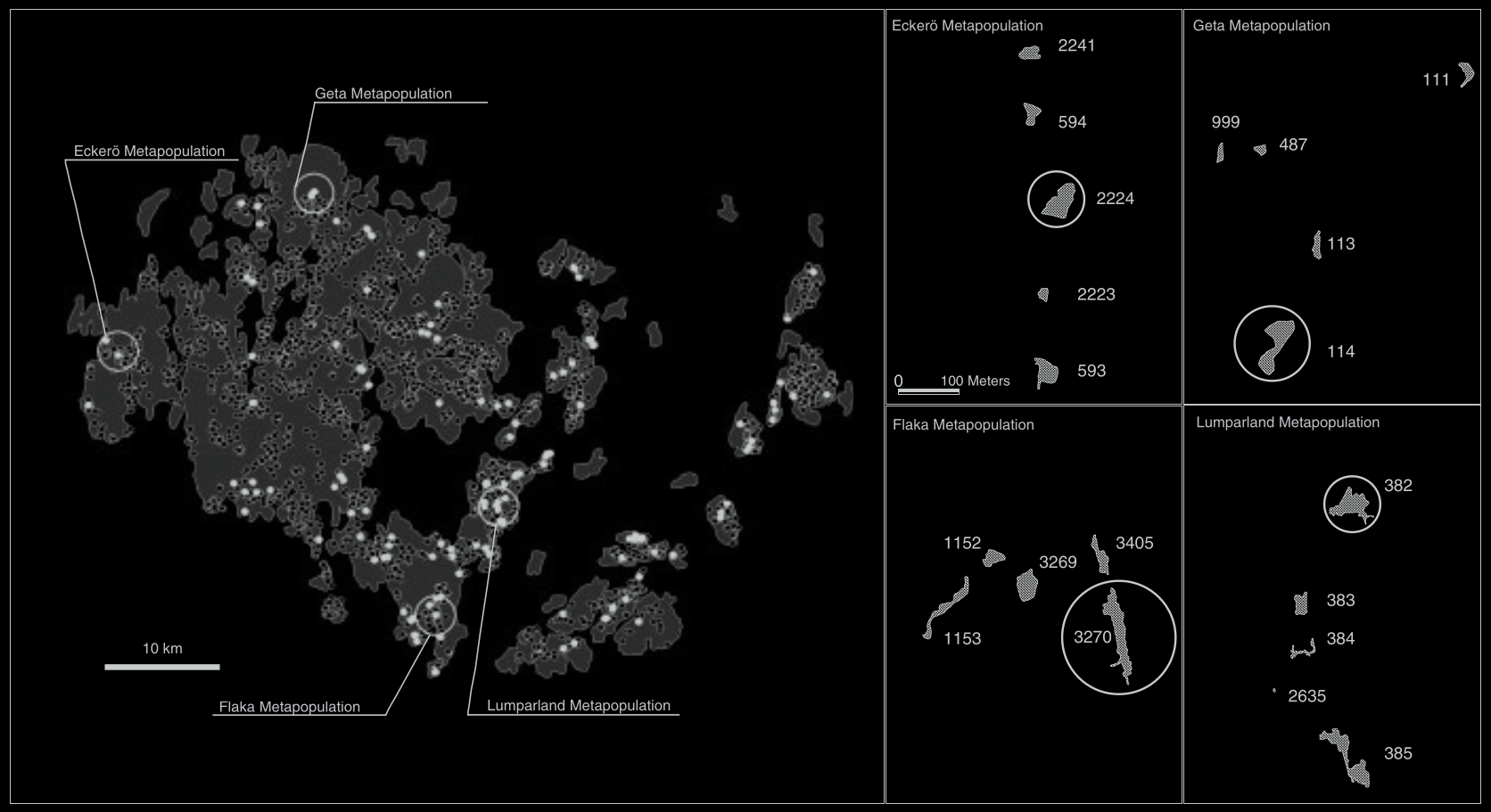
The Ecology and Geography of Coevolution
Follow Along!
Interactive slides available at:
https://bobweek.github.io/teaching/coevolution_intro/lecture.html

A magazine from the 70s
 but …
but …
Selection Review (see Lande & Arnold, 1983)
DEFINITION: Selection occurs when fitness and phenotype covary
DEFINITION: A phenotype is any measurable attribute of an organism
DEFINITION: Fitness is the lifetime reproductive output of an individual
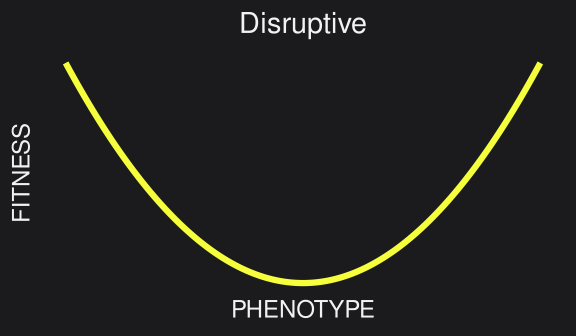
Adaptation the Evolutionary Response to selection
DEFINITION: Adaptation is the inherited/evolutionary resposne to selection
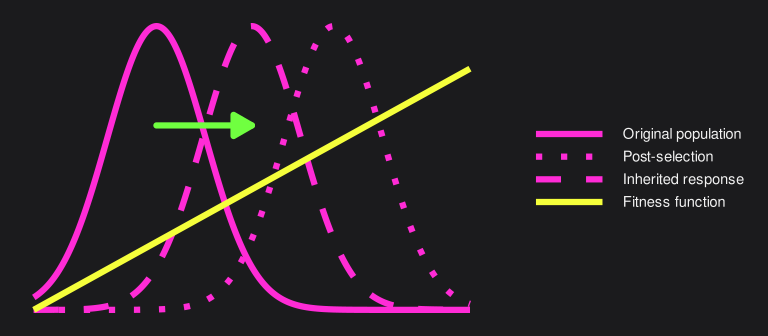
Coevolution is Co-adaptation
Coevolution ⇔ both species adapt in response to selection caused by interaction
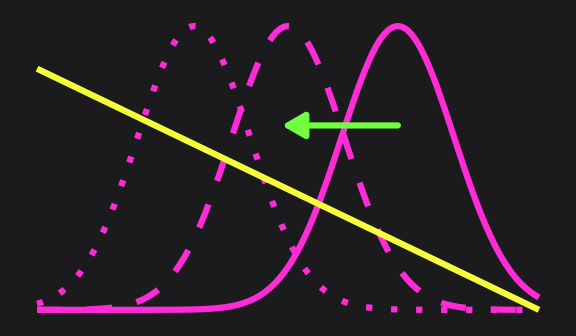
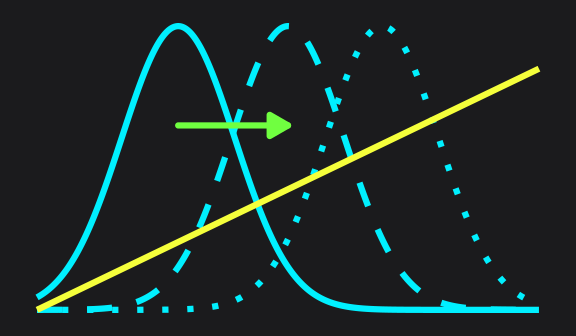
Examples of Coevolution: Character Displacement
- Interaction type: resource competition along a continuous niche axis
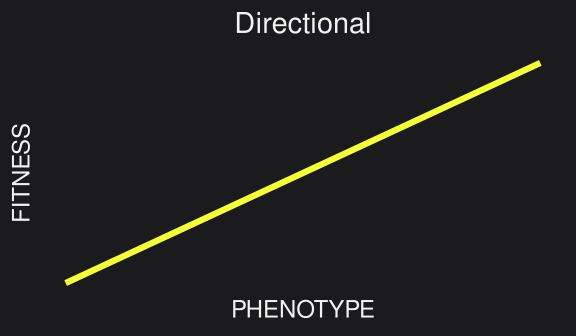
- Altered selection: divergent resource use/specialization (directional selection)
- Coevolutionary response: both species evolve to reduce resource competition

Examples of Coevolution: Mutualistic Matching
- Interaction type: mutualism w trait-matching (eg, plant-poll. phenology)
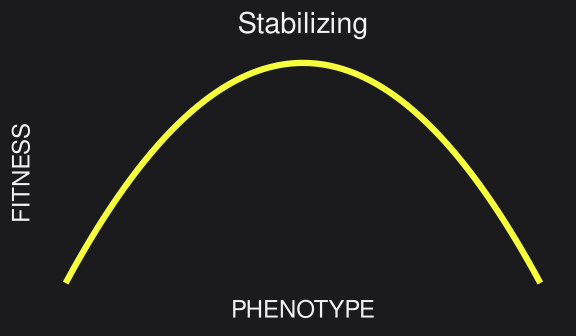
- Altered selection: positive freq. dependent selection (stabilizing selection)
- Coevolutionary response: loss of polymorphism (decr. genetic variation)

Examples of Coevolution: Trench Warfare
- Interaction type: host-parasite w lock-key (eg, viral receptor binding)
- Altered selection: negative freq. dependent selection (diversifying selection)
- Coevolutionary response: maintenance of polymorphism (incr. genetic variation)

Examples of not Coev: Unilateral Matching
- Interaction type: commensalism w trait-matching
- Why not coev?: selection is not modified for host species
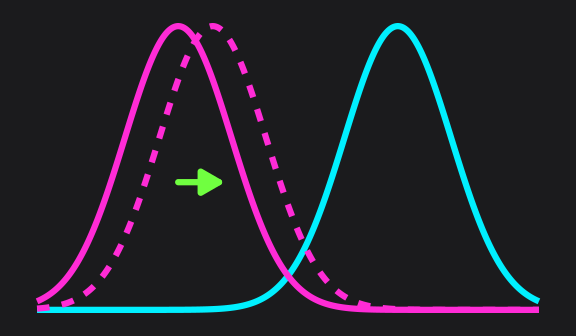
Examples of not Coev: Unilateral Displacement
- Interaction type: resource competition along niche axis
- Why not coev?: niche location not a heritable trait for blue species

Taxonomy of ecological interactions
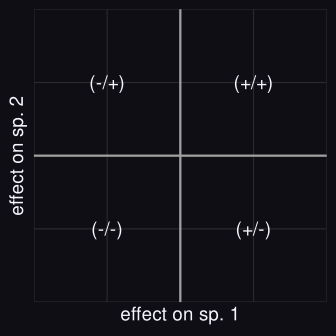
A classic coevolutionary woozle
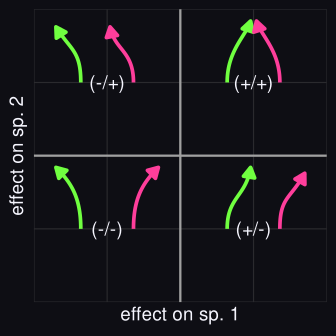
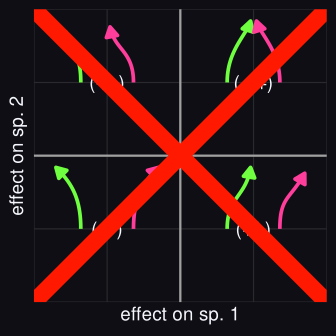
A classic coevolutionary woozle (debunked!)
A pollination-based counter example
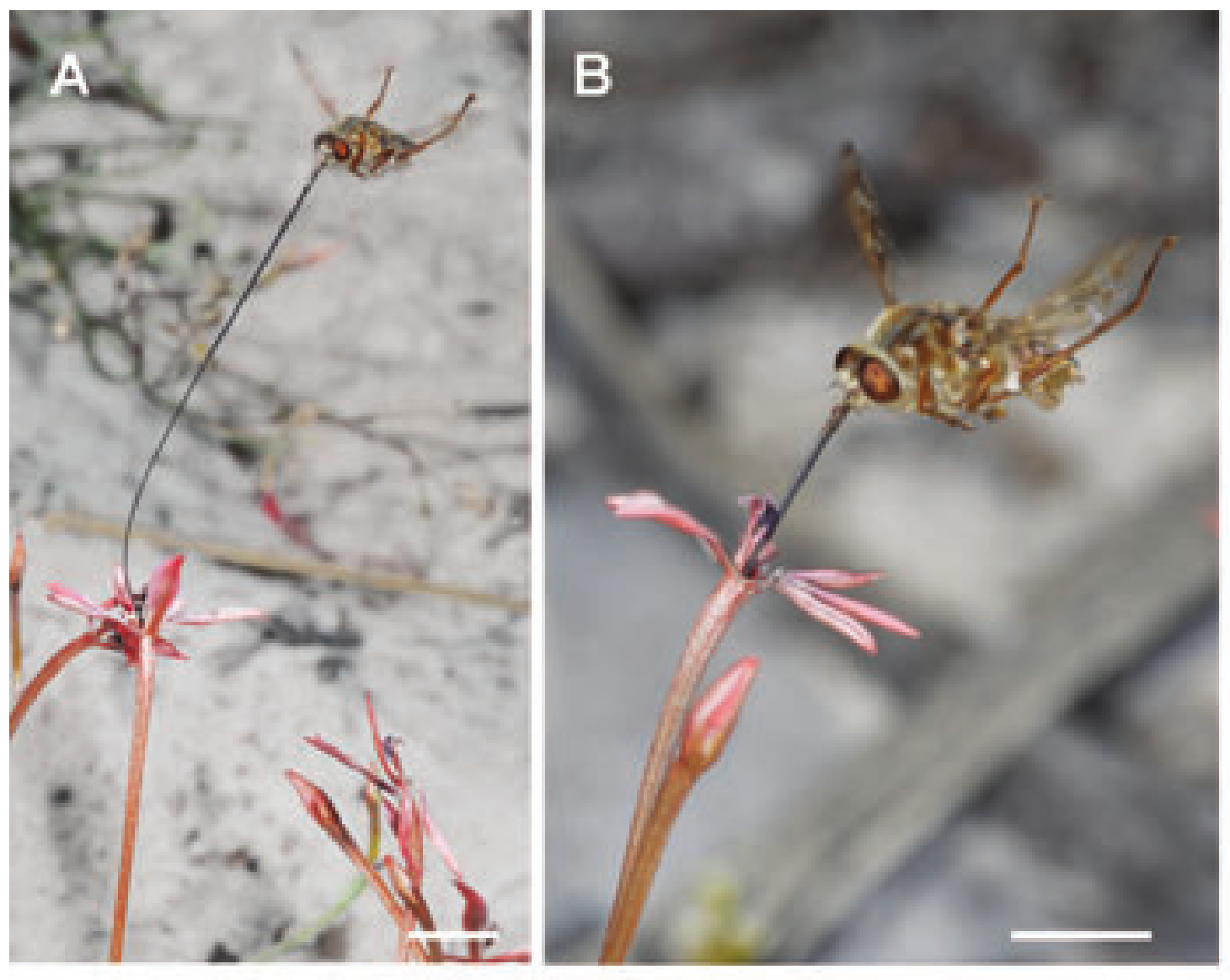
- Pollinator fly:
- Moegistorhynchus longirostris
- Flower:
- Lapeirousia anceps
Question:
- If mutualism leads to matching, why the long face?
- Reading:
(Evidence for) Selection Due to Interaction
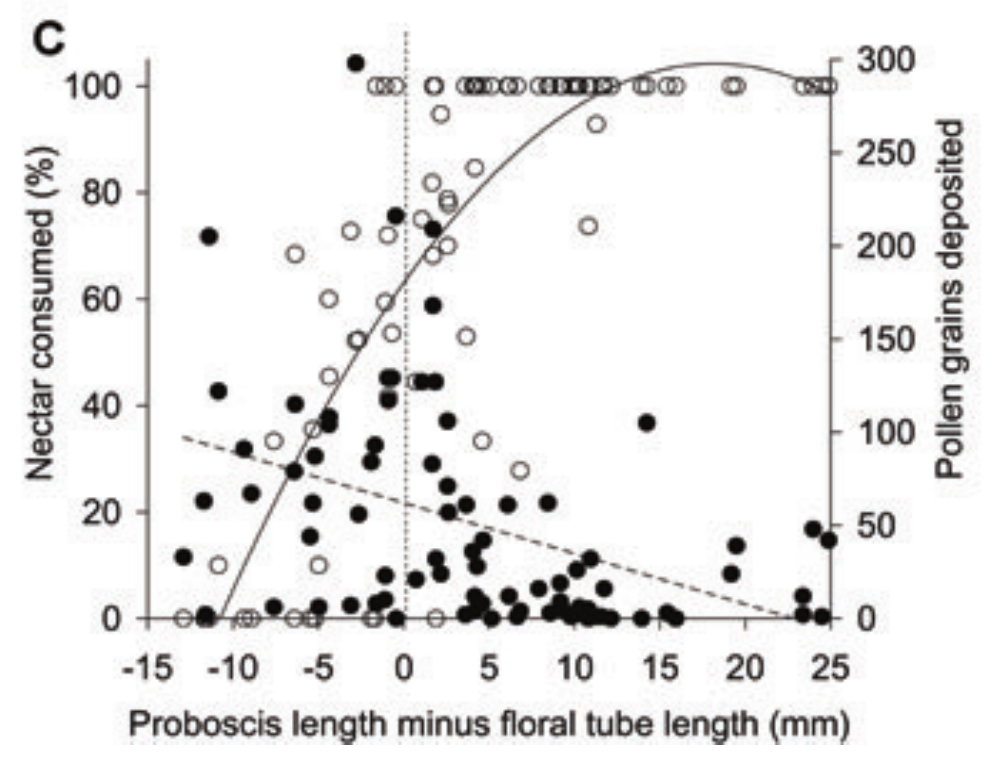
- Fly trait > flower trait:
- fly gets more nectar
- Flower trait > fly trait:
- more flower pollen transferred
Question:
- If both do better with greater traits, what would coevolution lead to?
A mutualistic arms race!
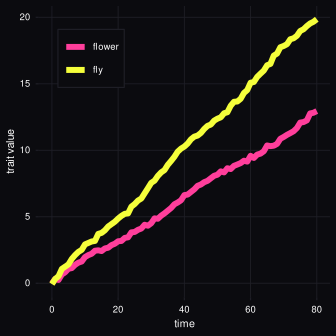
Q: what if one outpaces the other?
(Co)Evolution of Interactions
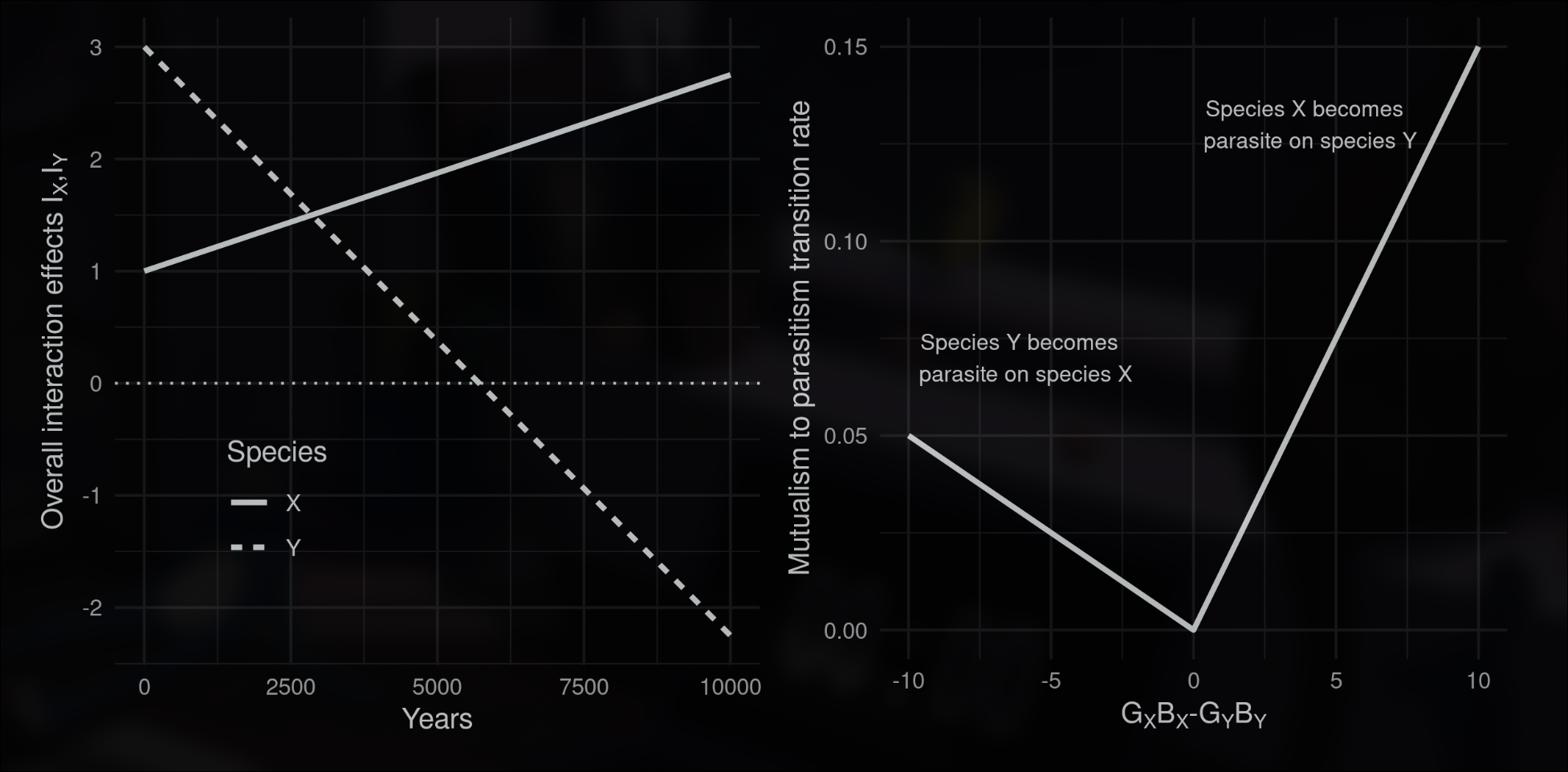
Imbalance of armaments and the breakdown of mutualism
But also…
Many Possibilities
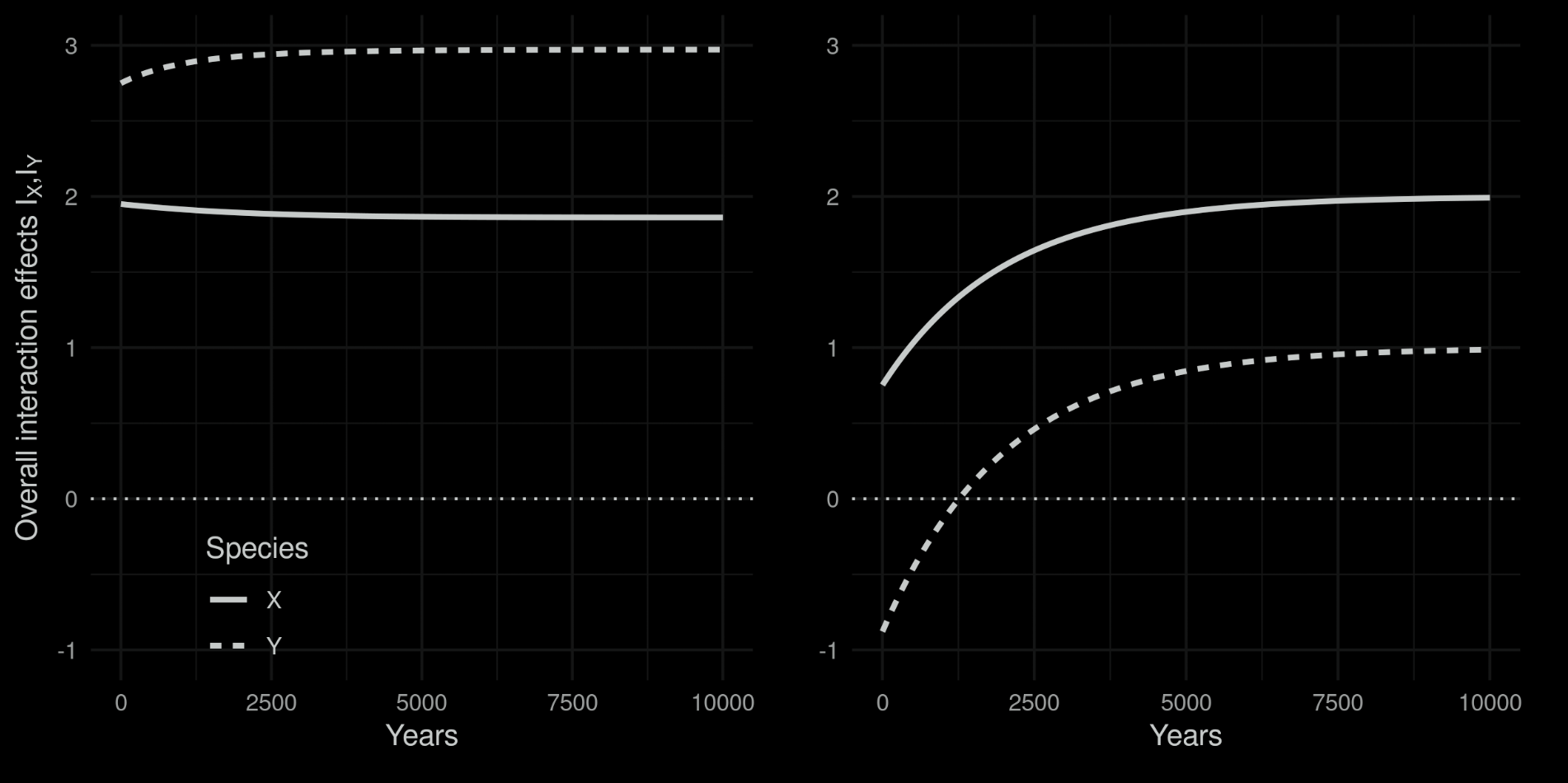
(left) mutualism maintained (right) mutualism from parasitism
It gets weirder…
Community Context
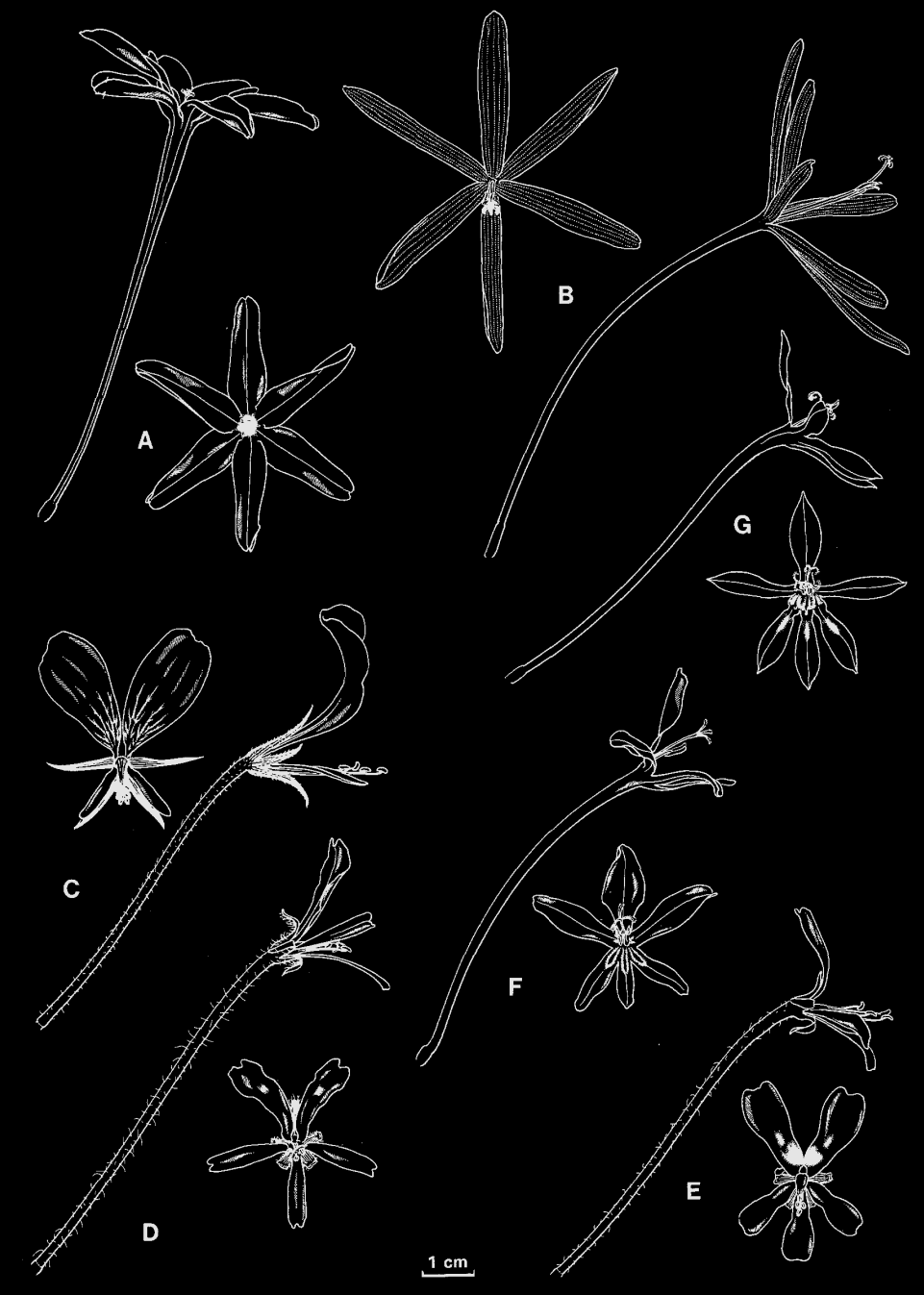
Fly is a keystone pollinator for long-tubed flowers
It Gets Weirder Yet…
Indirect Consequences of Coevolution
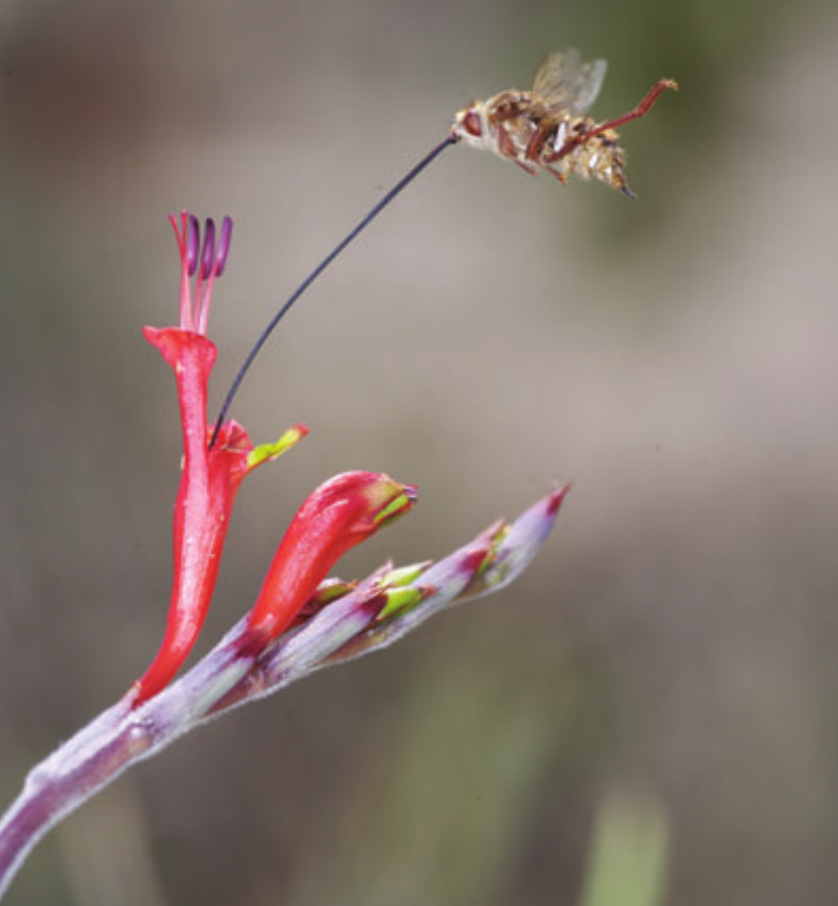
Fly visits Babiana thunbergii
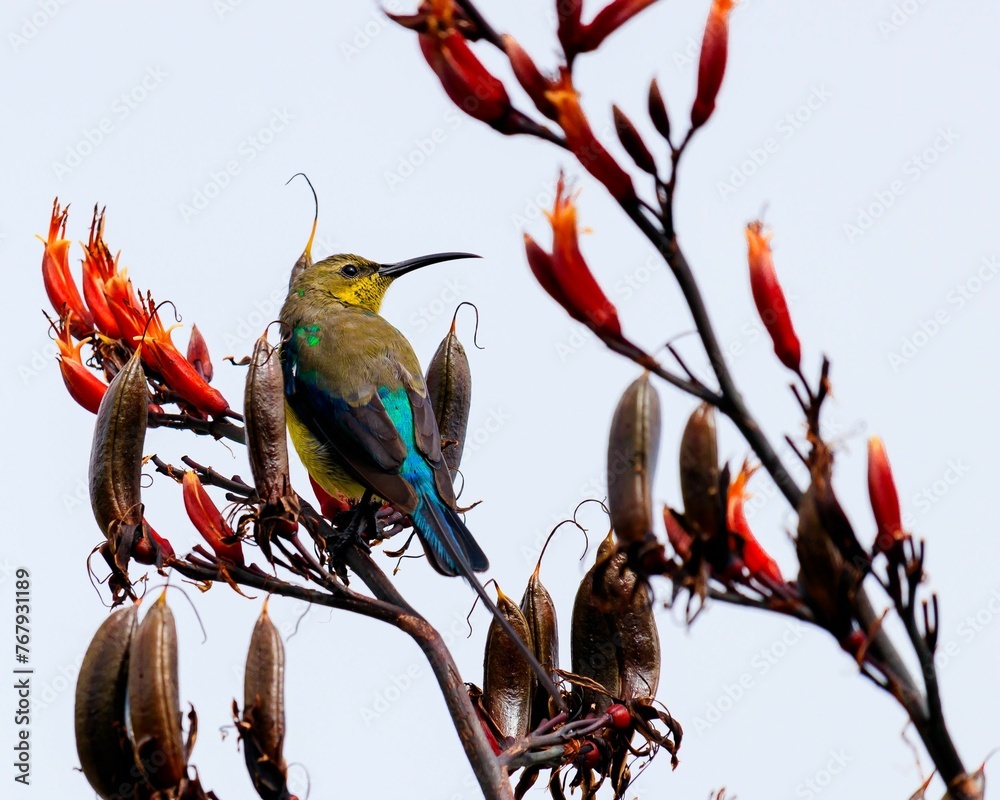
Malachite Sunbirds pollinate B. thunbergii
Inirect Effects may play big role
- Q-matrix = direct
- T-matrix = sum of indirect
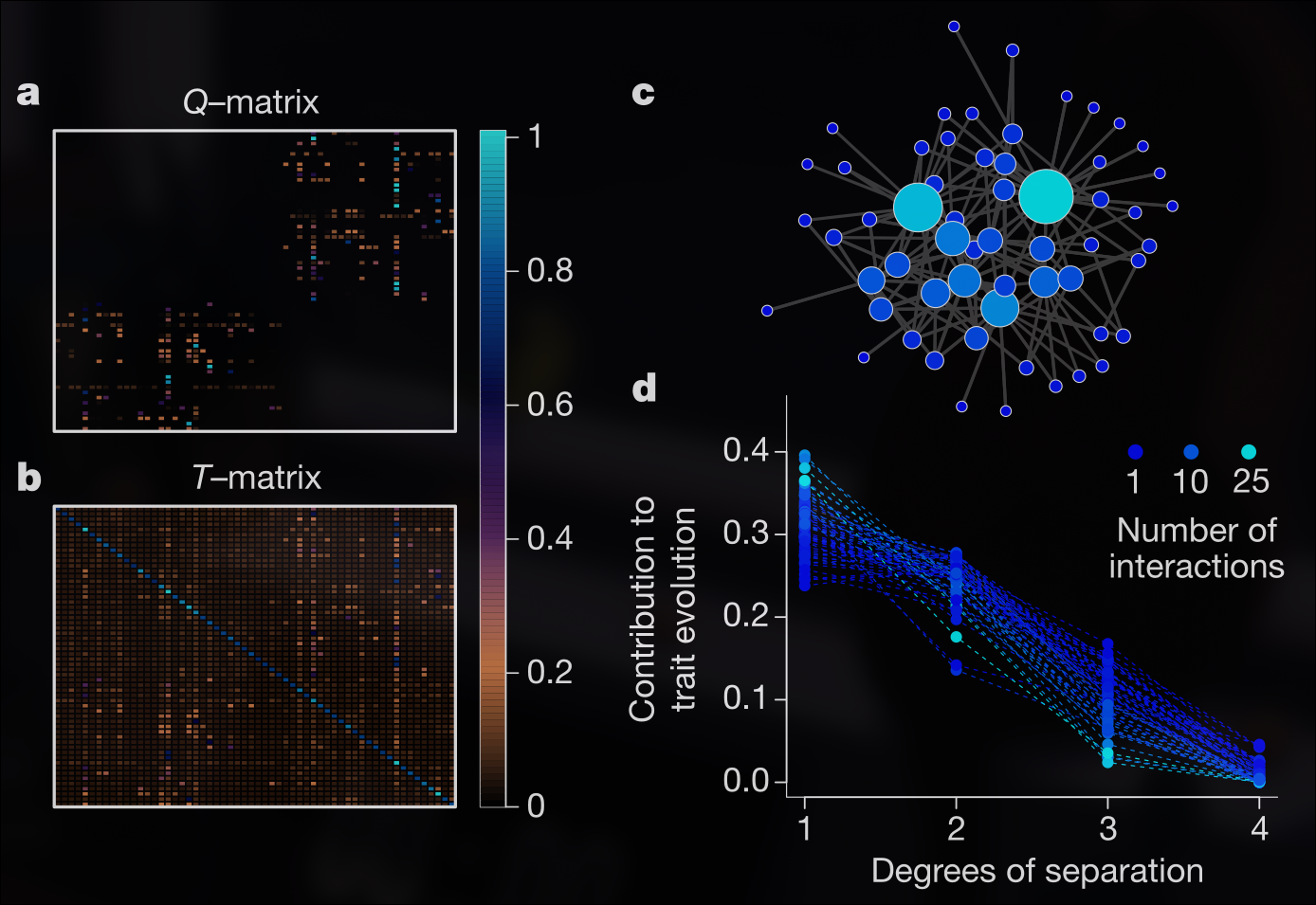
Indirect effects drive coevolution in mutualistic networks, Guimarães et al 2017
Long-Tongue Fly Families
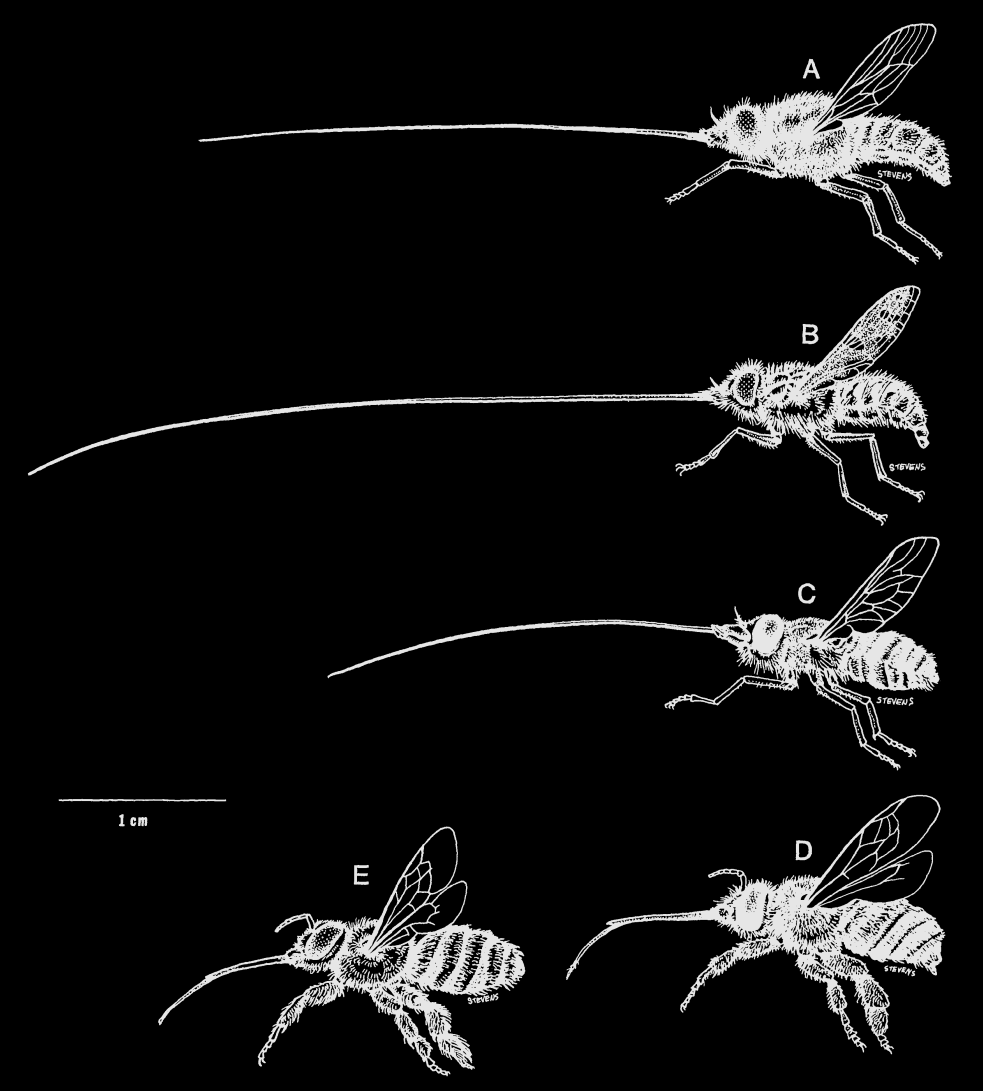
A Geographic Mosaic
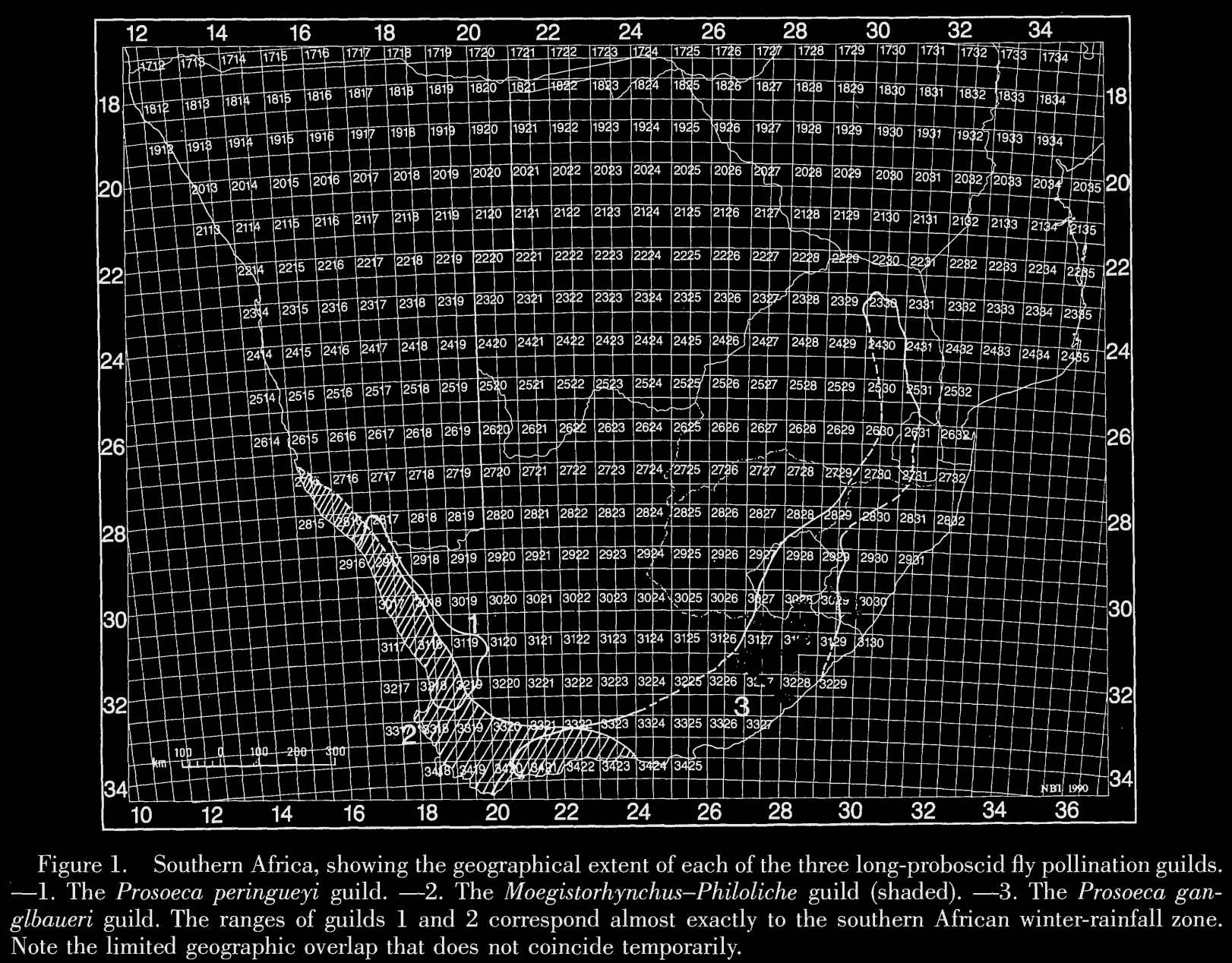
- Different fly pollination guilds
- Partial spatial overlap
- Coevolutionary hot/cold spots
Spatially Distributed Populations
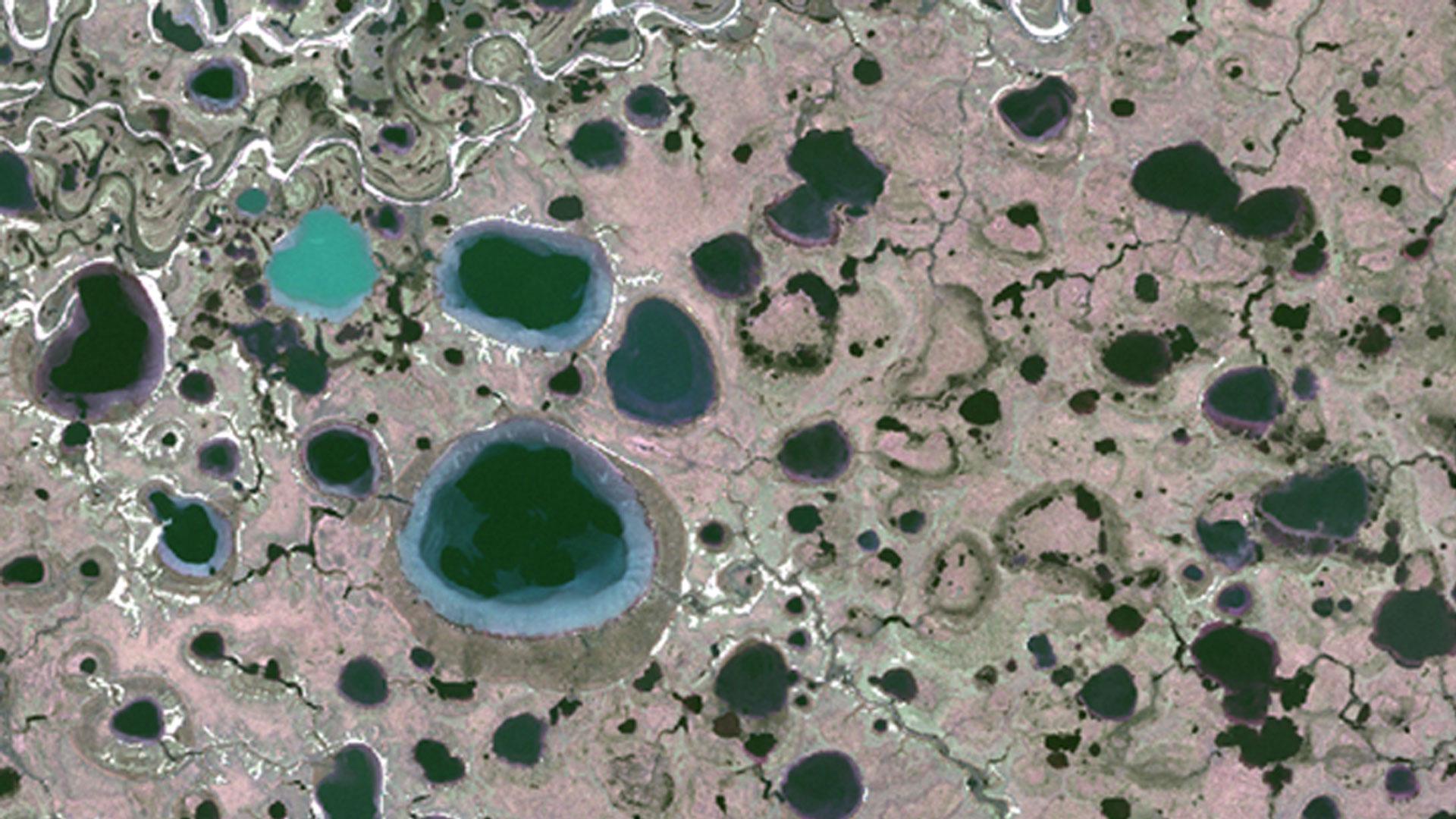
Metapopulation Concept
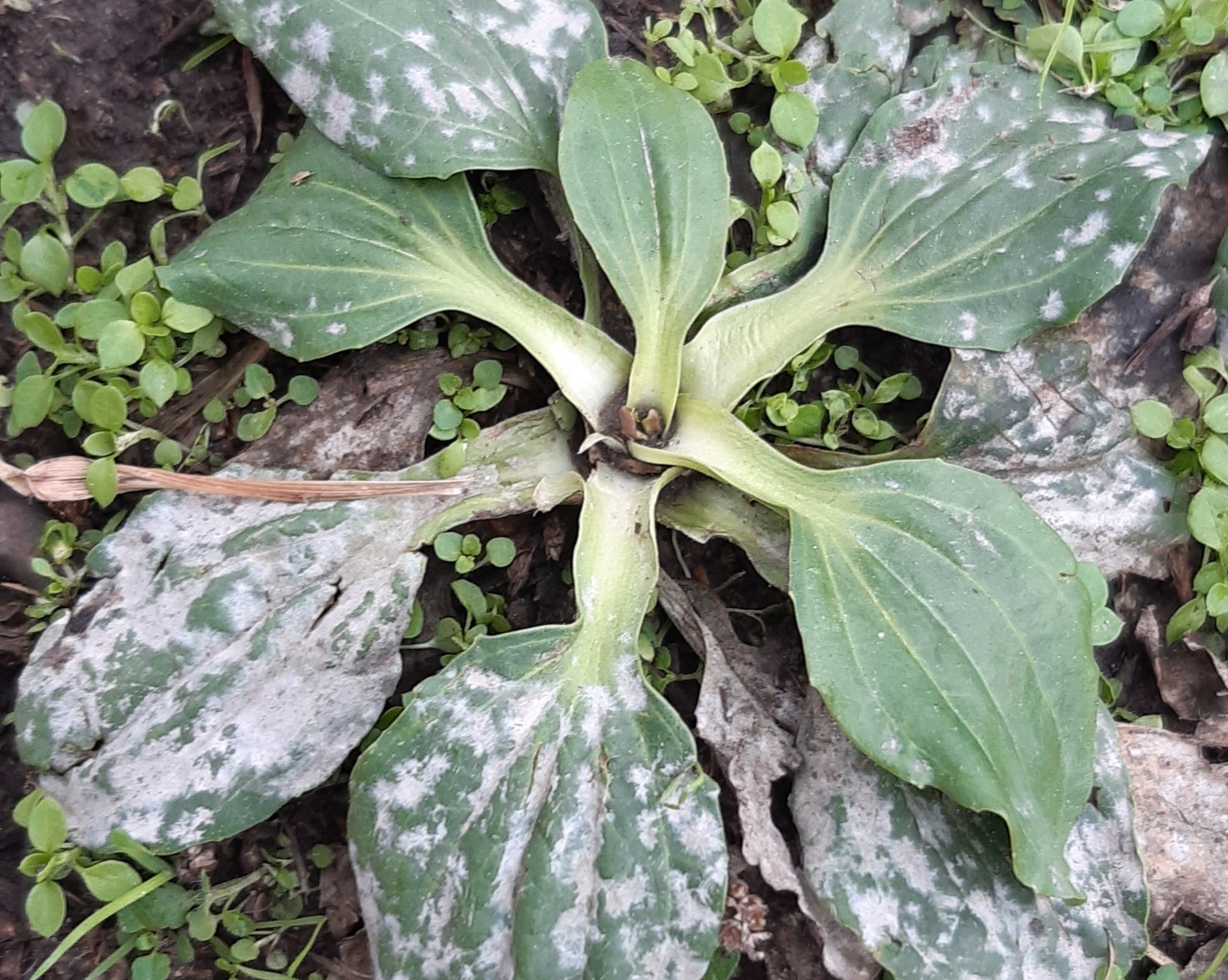
Powdery Mildew Parasitizing Plantago lanceolata
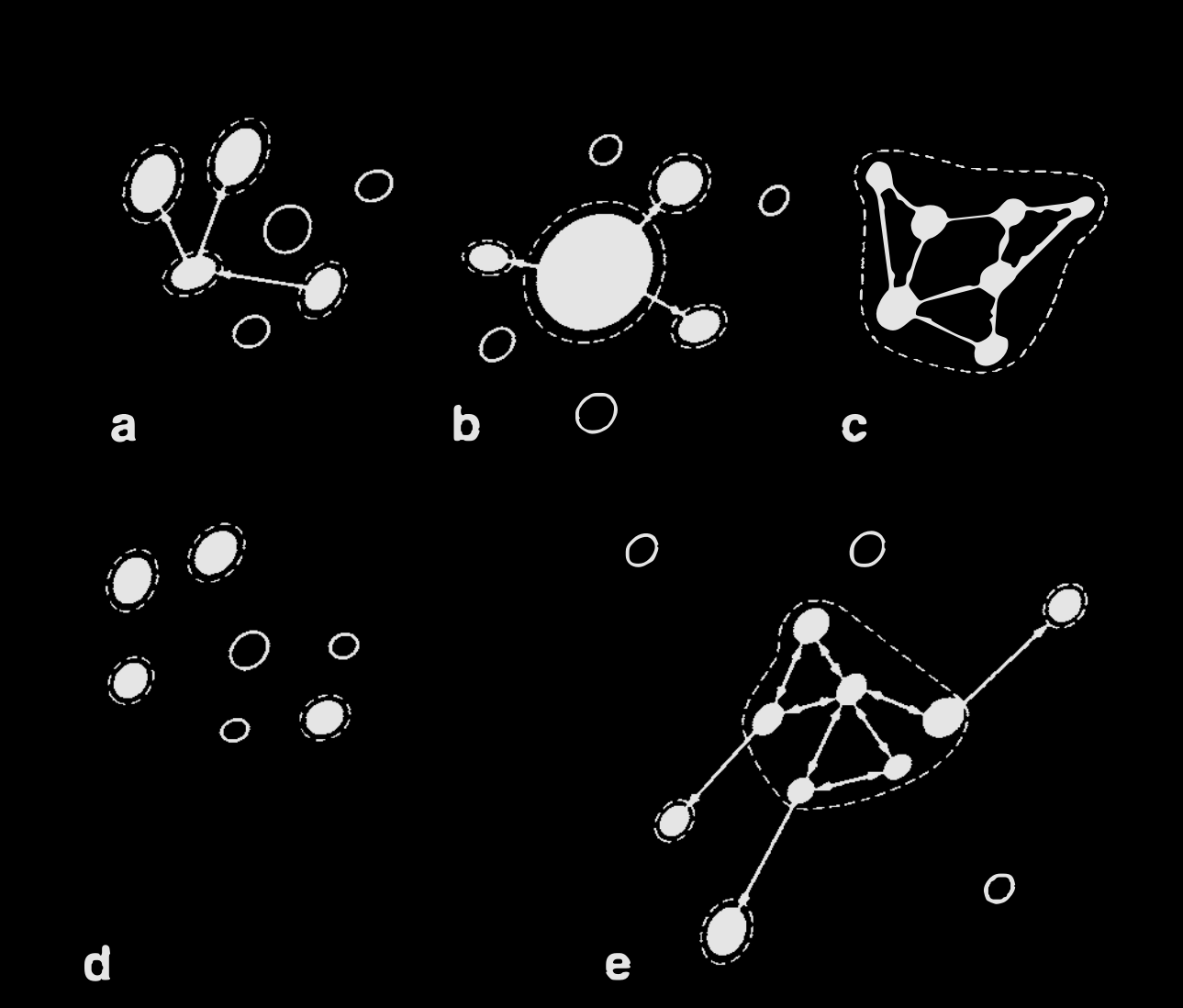
Spatial Host-Parasite System