Modelling Host-Microbiome Evolution
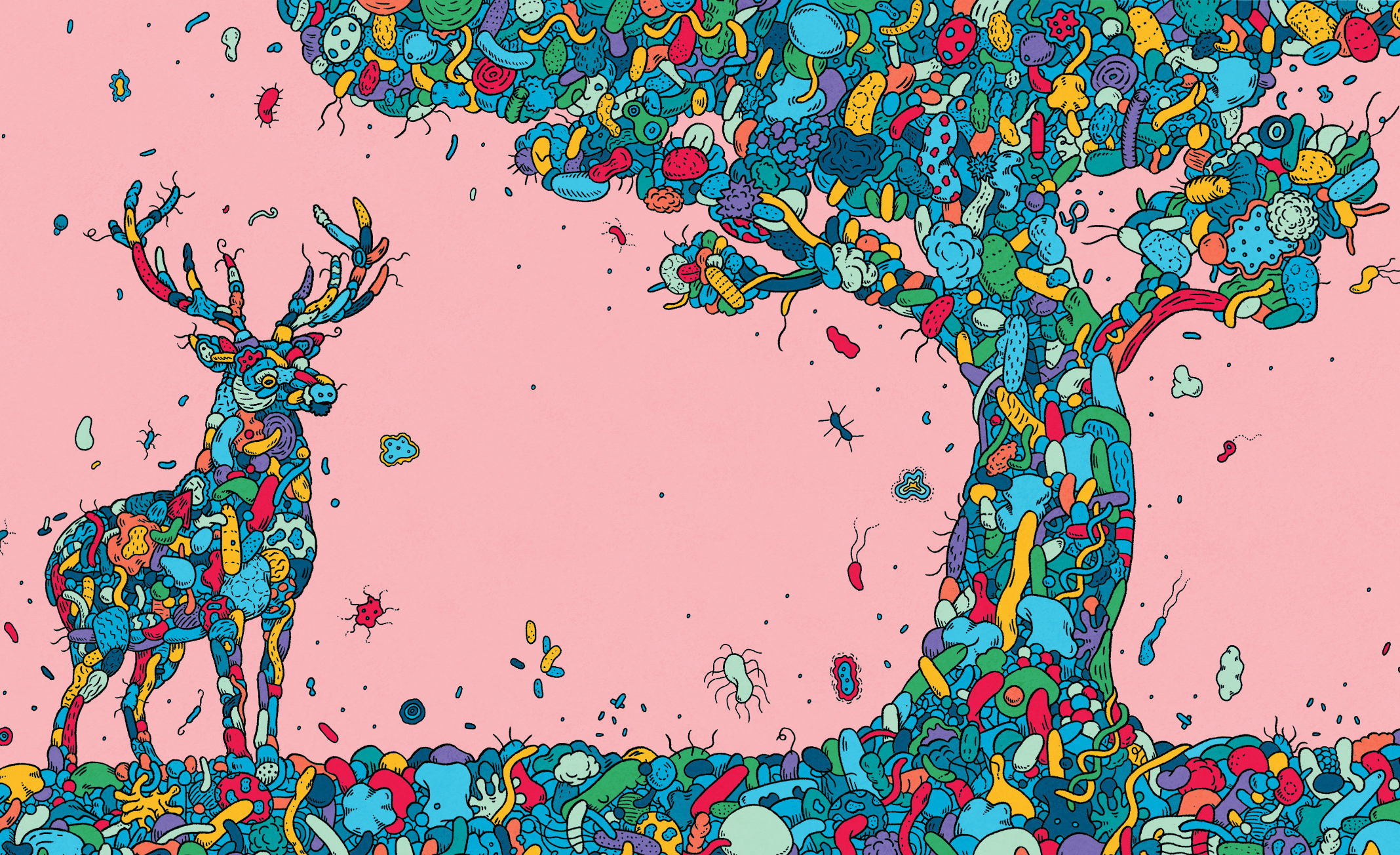
We live in a microbial world
Microbes interact with hosts
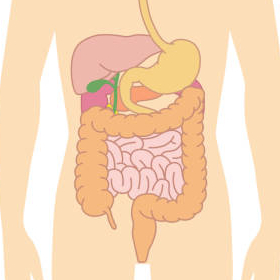
metabolism / digestion / nutrition
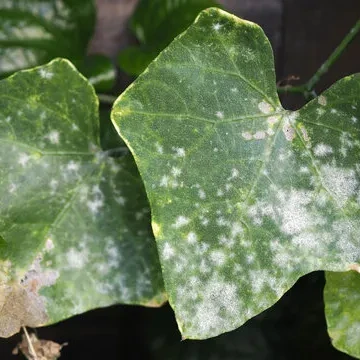
immune response / pathogen defense
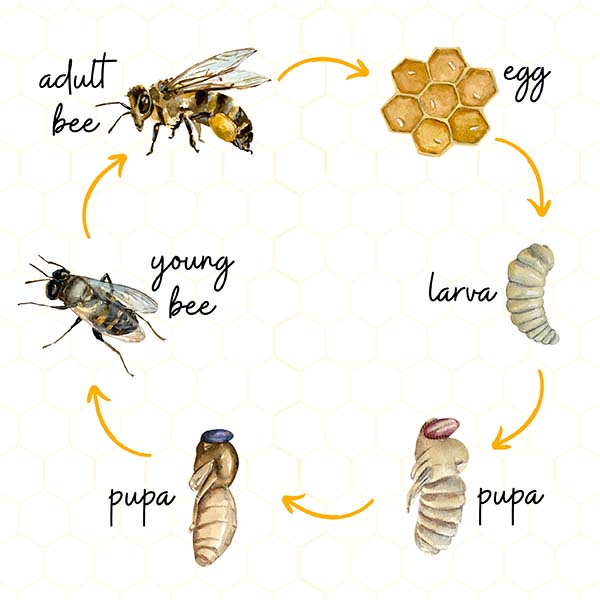
development / life-history / phenology
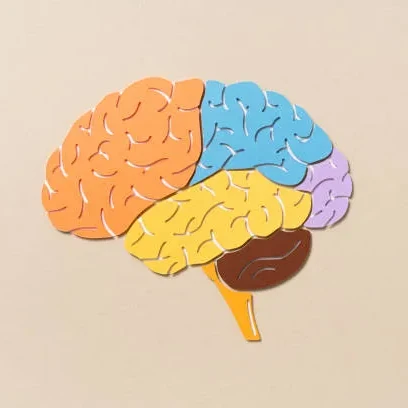
behavior / neurophysiology
Microbiomes mediate host trait variation
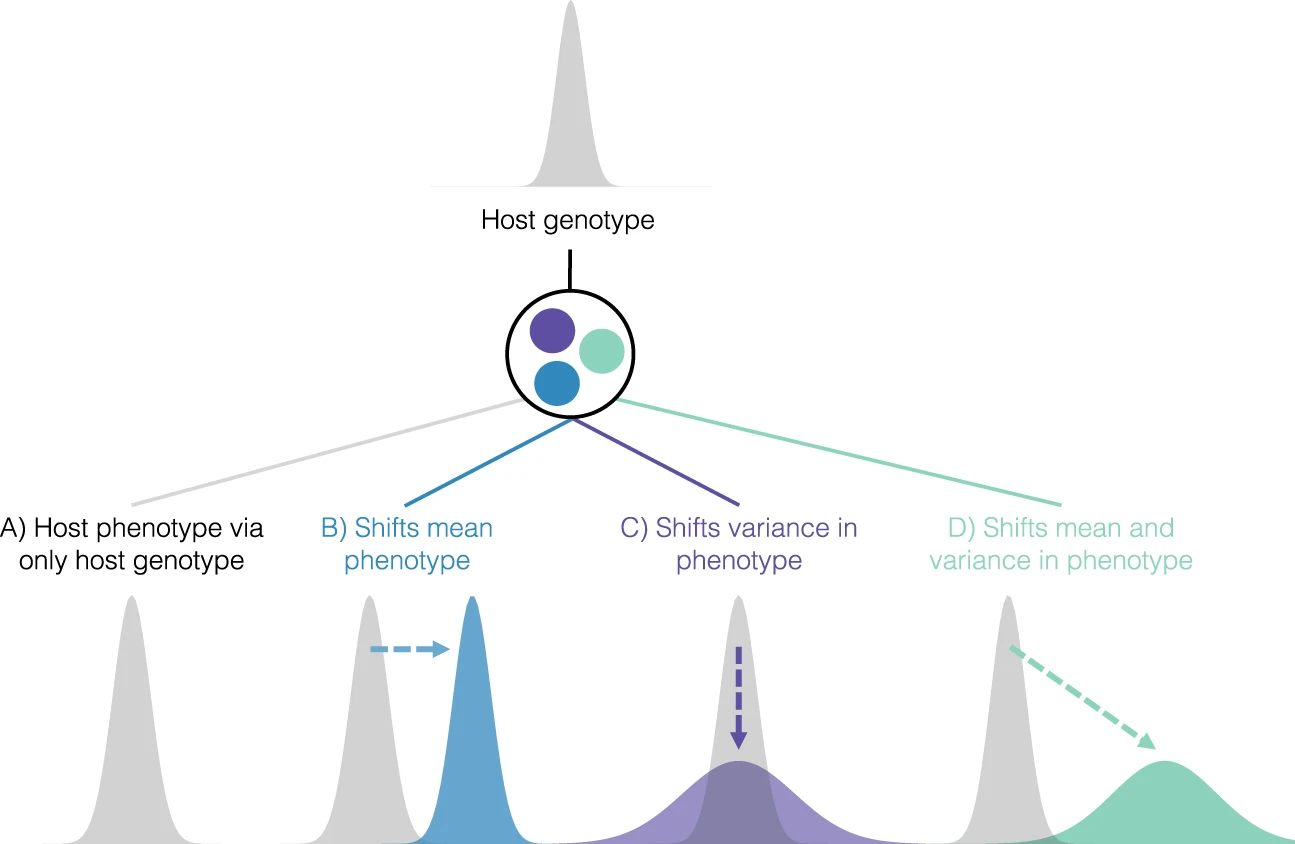
Microbiomes are heritable
- Fraction of attributes heritable: ~5–40%
- relative abundance, alpha diversity, etc …
- Broad sense heritability: H² ≈ 0.01 - 0.5
- perfect heritability = 1.0
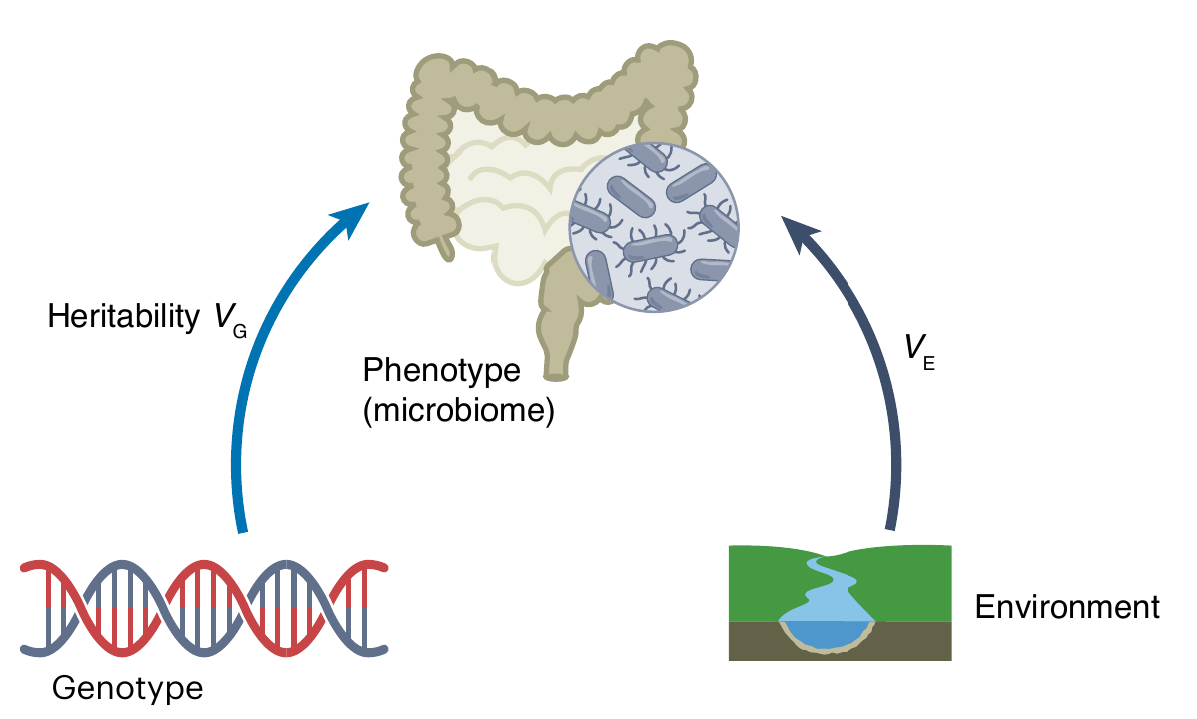
Microbiome inheritance modes
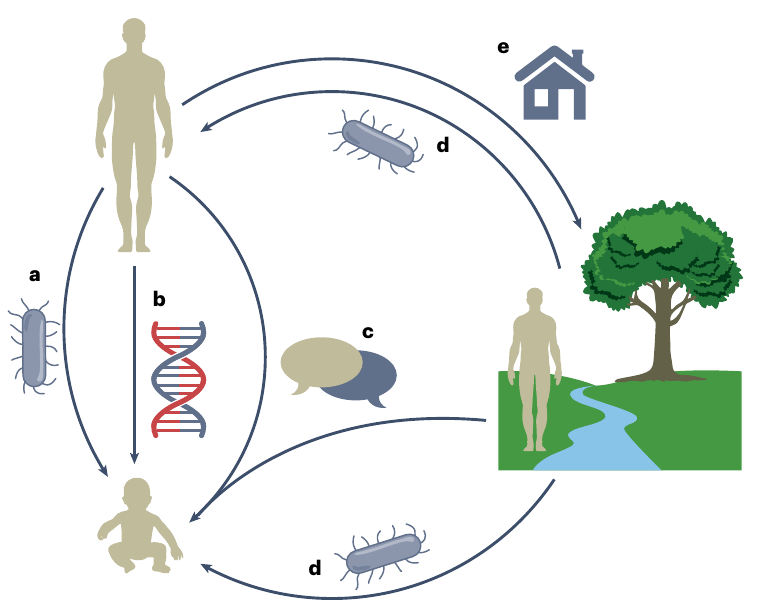
Morris & Bohannan (2024), Nat. Micr.
- Direct parent-offspring transmission
- Host genes associated with microbes
- Social transmission
- Shared environment
- Habitat modification
Can Microbiomes facilitate adaptation?
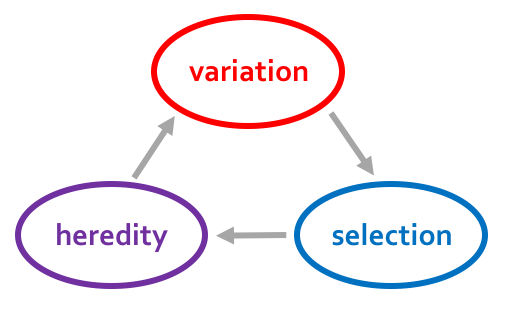
But Microbial Inheritance not Mendelian …
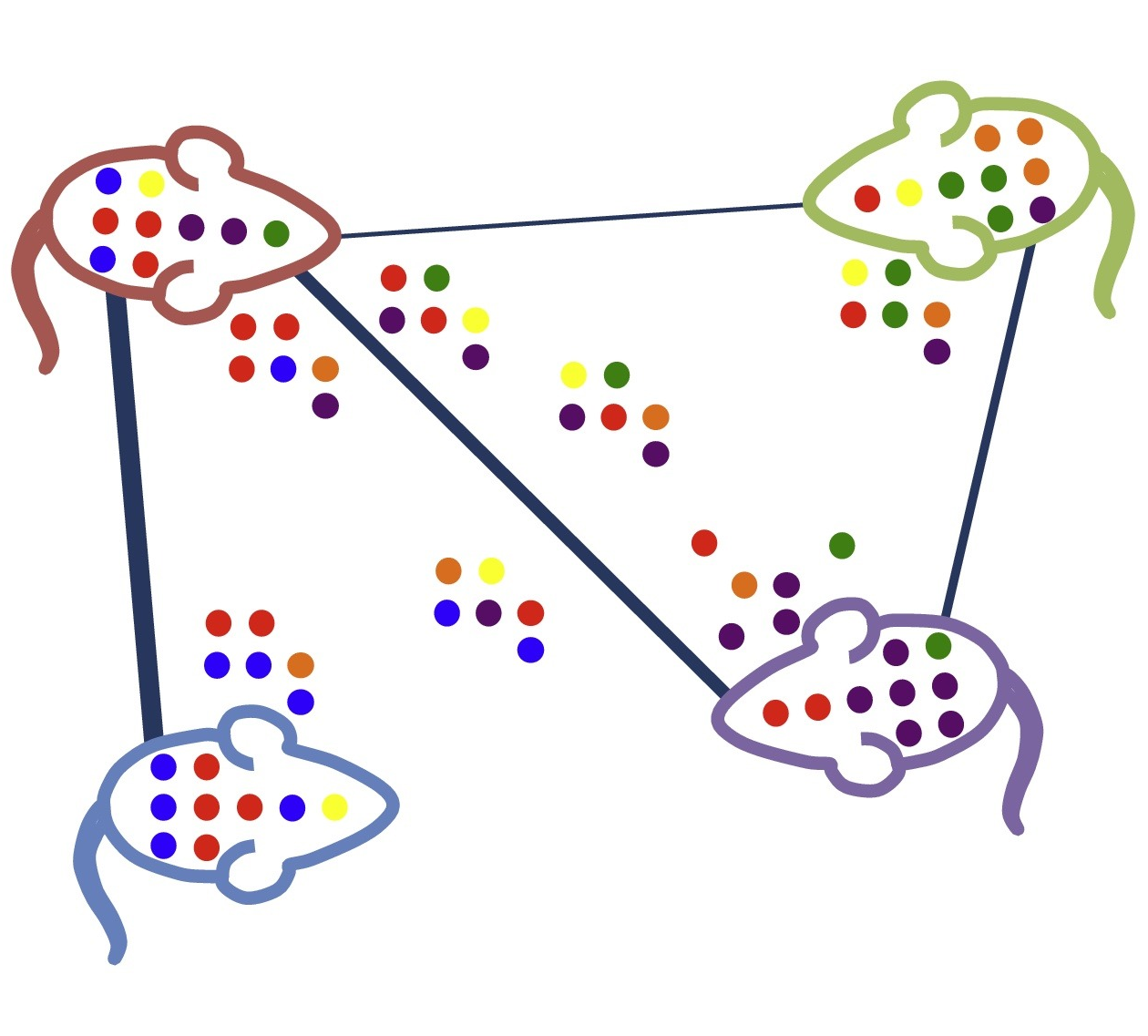
Community assembly (microbial dispersal, within-host selection, etc …)
Problem: Complicated!
Need: Simple general frameworks
Q: Can we apply existing frameworks?
Extended inheritance frameworks
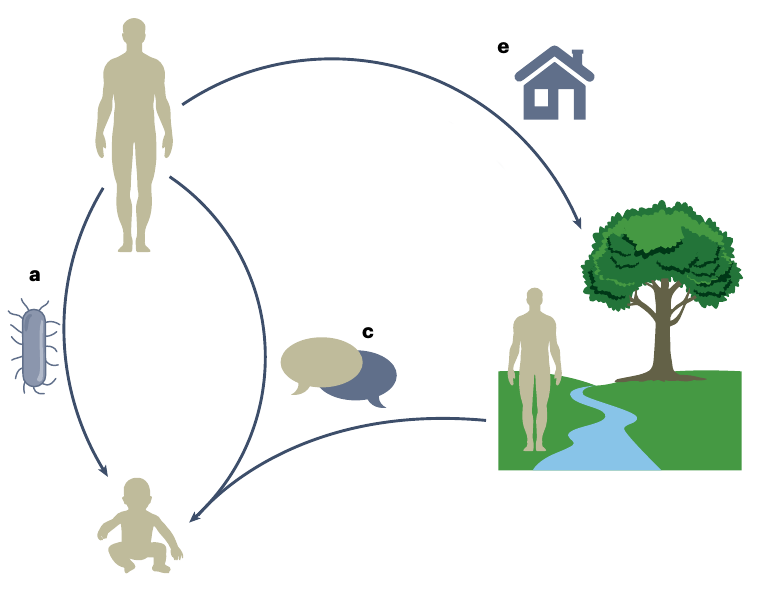
Morris & Bohannan (2024), Nat. Micr.
- Maternal effect
- Indirect genetic effect
- Niche construction
Maternal Effect
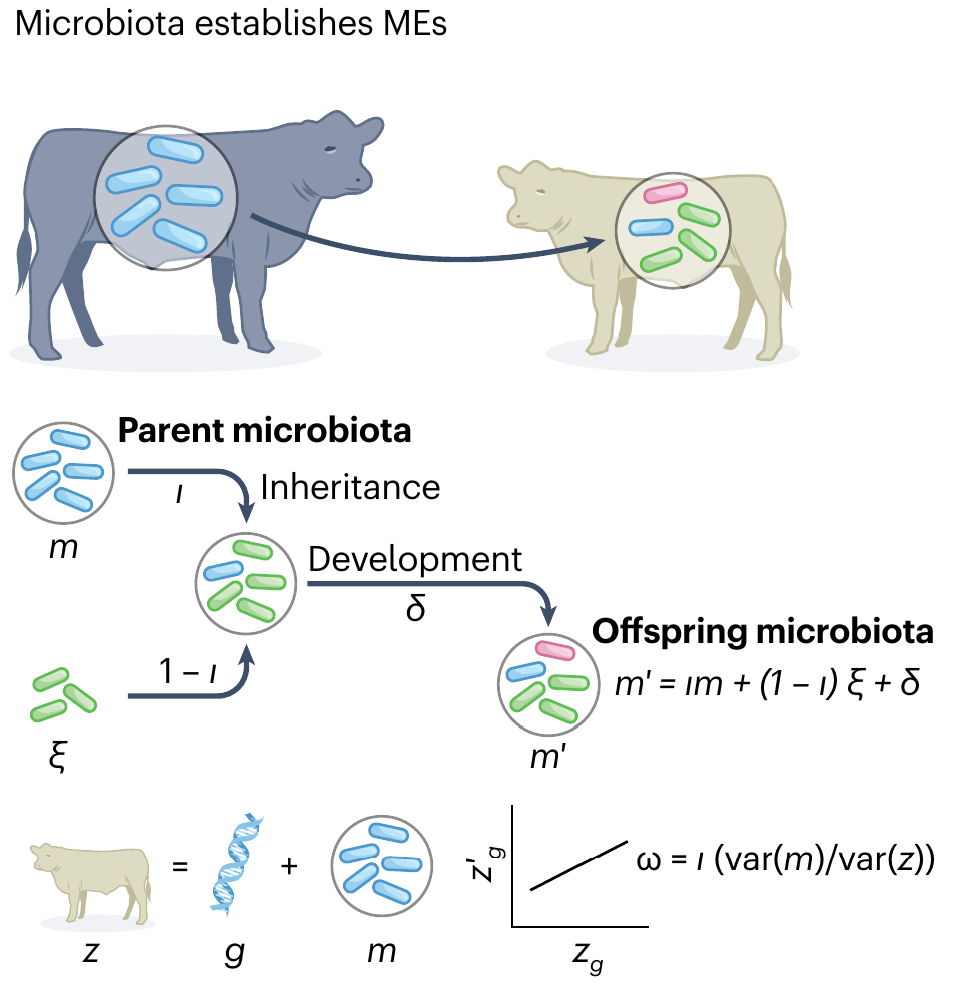
Week et al. (2024), Nat. Evo. Eco.
Definition: Parent trait explains offspring trait
(controlling for genetic variation)
Indirect Genetic Effect
Definition: Genotype of one individual influences trait of another individual
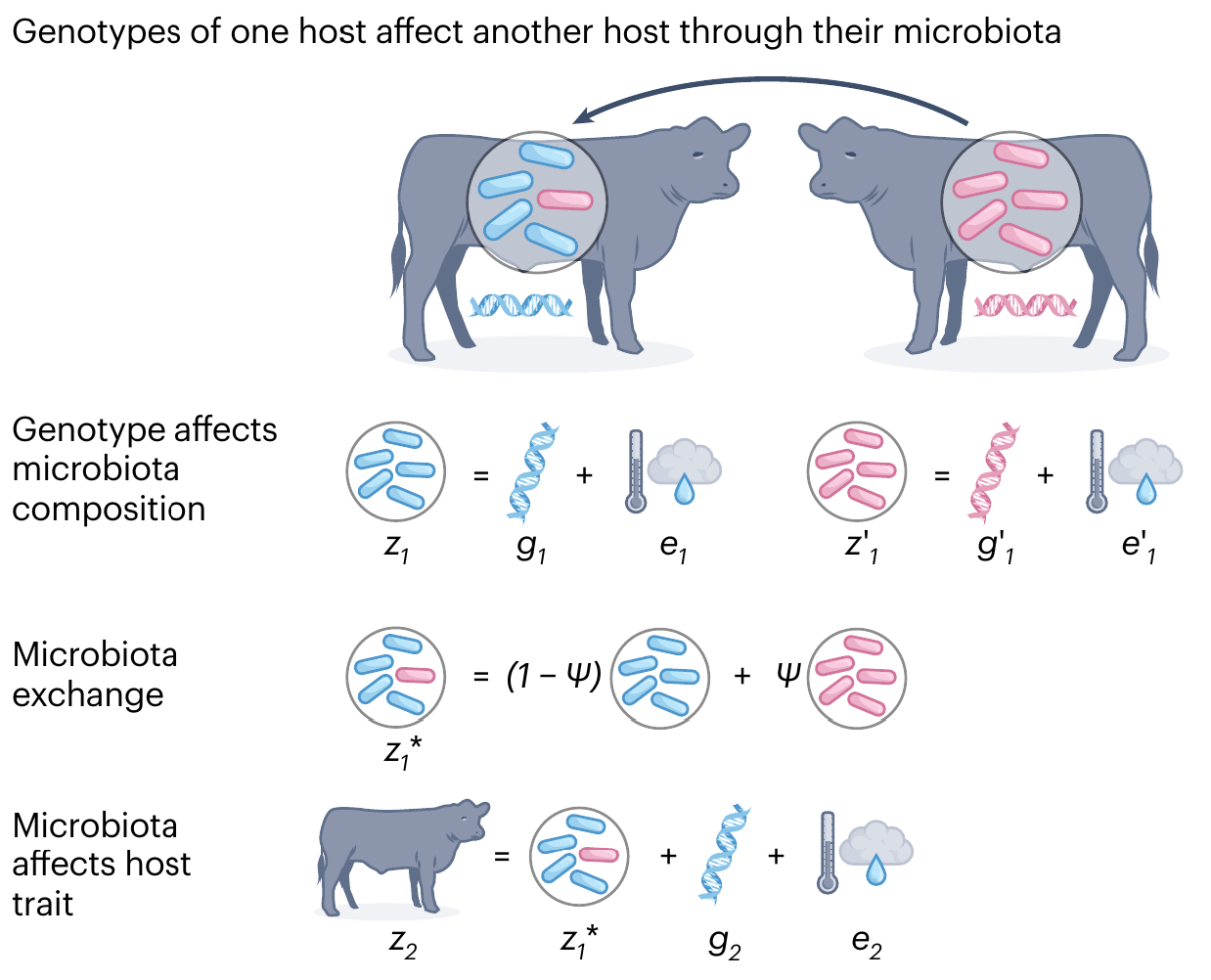
Week et al. (2024), Nat. Evo. Eco.
Niche Construction
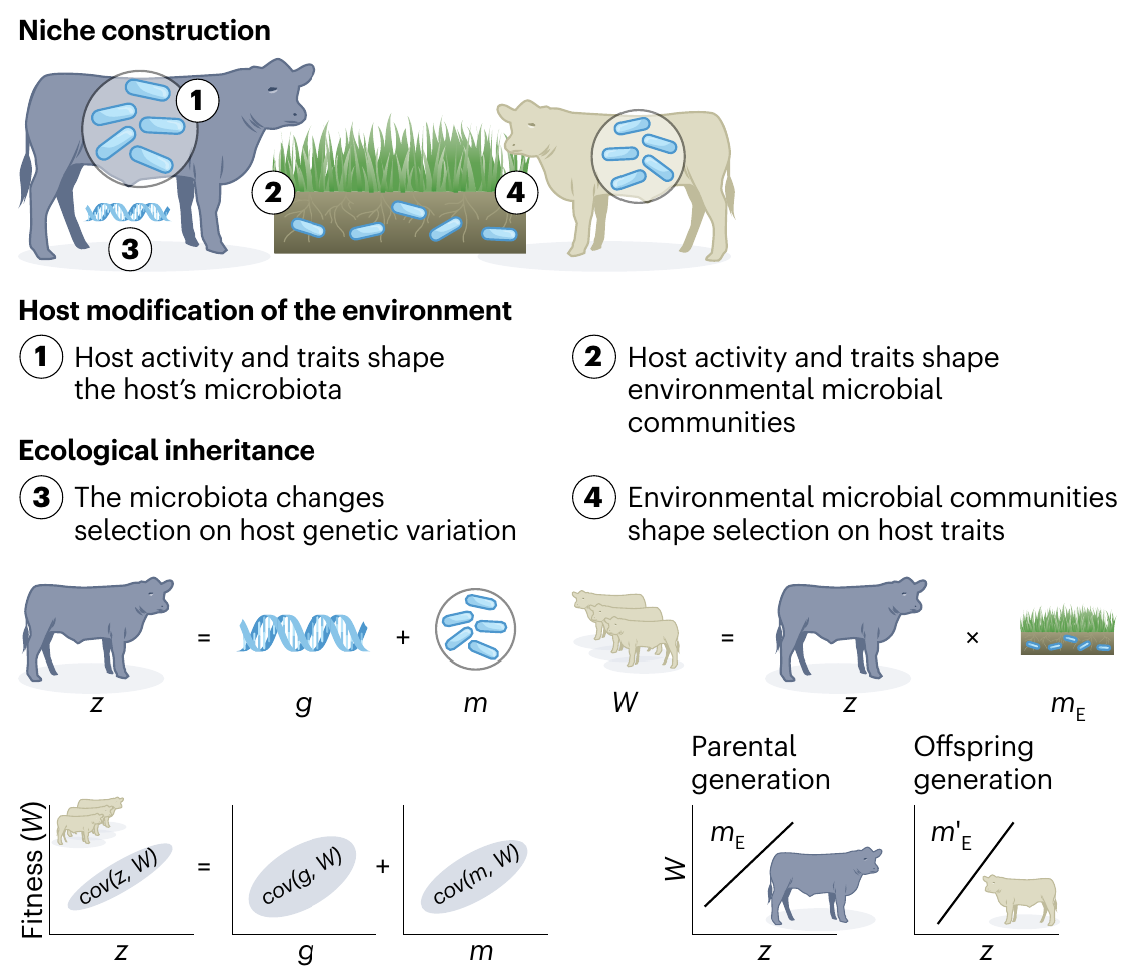
Week et al. (2024), Nat. Evo. Eco.
Definition 1:
Organism activity alters environment
Definition 2:
Organism activity alters selection pressures
Two perspectives:
Microbiome as environment
Microbiome modifying environment
Unified Framework for Extended Inheritance
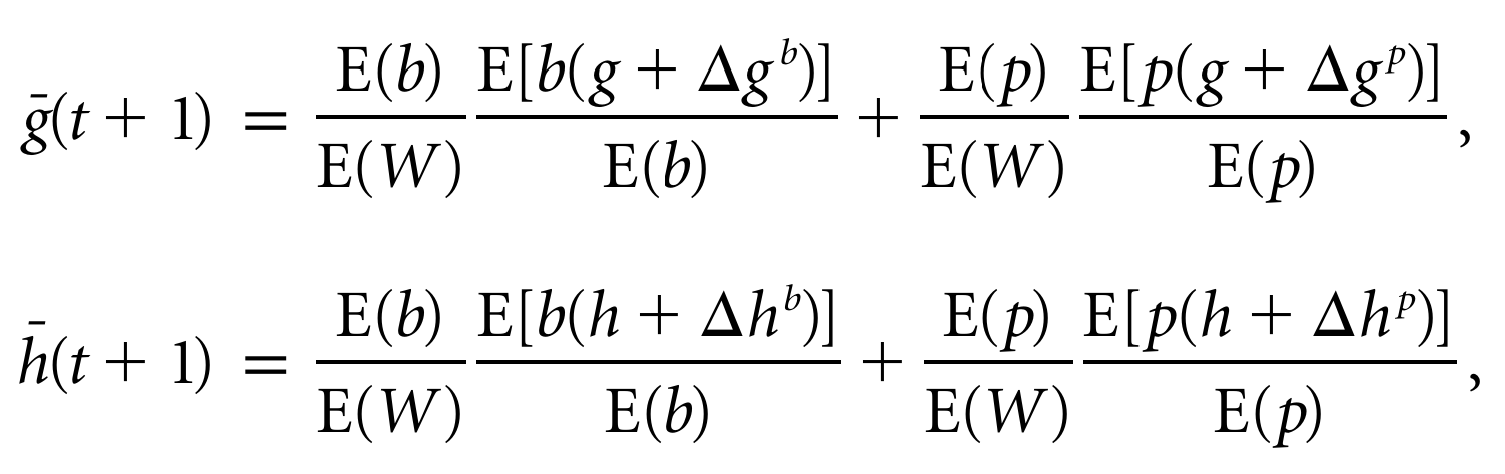
- Models: ME’s, IGE’s, etc.
- Limitation: requires assumptions on
- transmission
- fidelity
- mutability
- Need: framework independent of detailed assumptions
Framework for Microbiome Inheritance
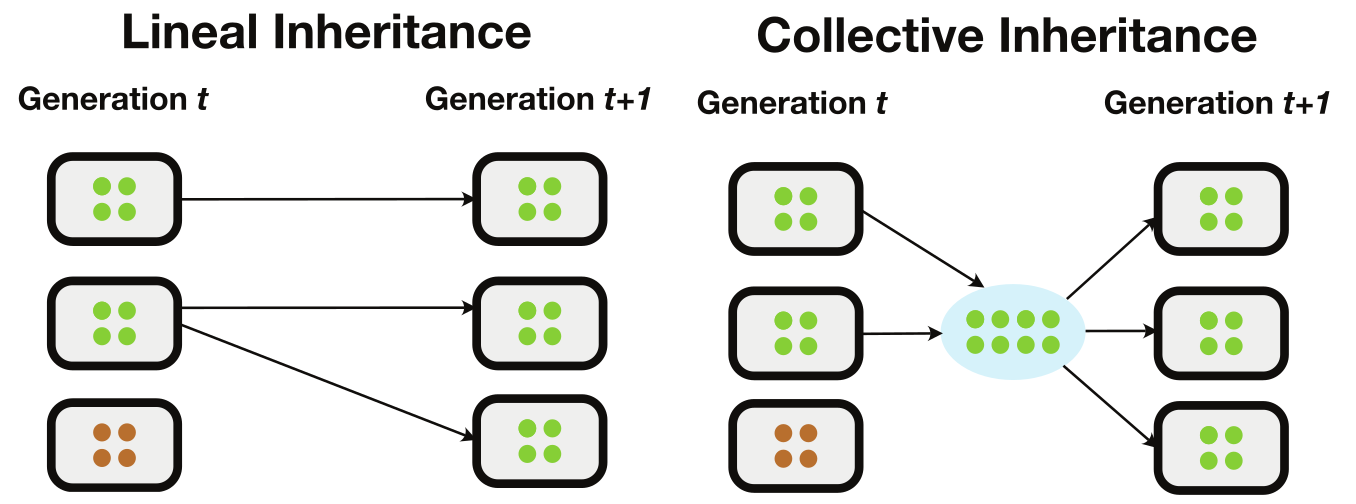
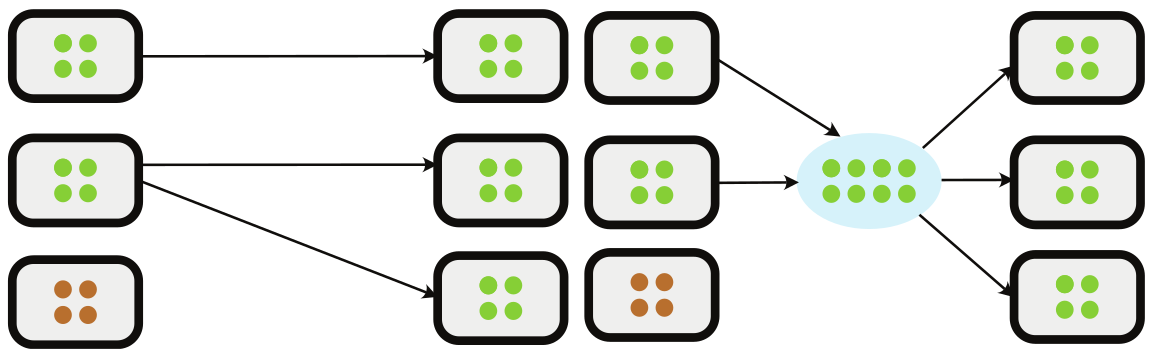
- Collective inheritance facilitates adaptation
- Advantage: Potential to explain adaptation without transmission details
A Gap
Done: Collective inheritance applied to gene-centric perspective 🦠 🚚 🧬
Gap: Connect concepts of microbiome inheritance and host trait variance to predict microbiome-mediated adaptation
microbiome inheritance
host trait adaptation
Classical Partitioning of Trait Variation
mini review of quantitative genetics
- \(P = G + E\)
- \(P=\) total phenotypic var.
- \(G=\) explained by genetic var.
- \(E=\) unexplained by genetic var.
- \(G = G_A + R\)
- \(G_A=\) explained by add. model
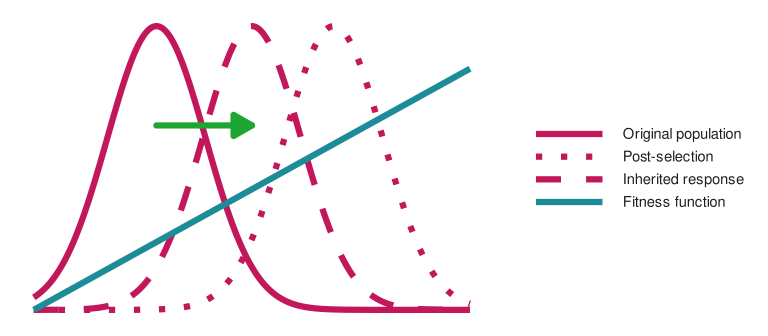
- Adaptation Prediction:
- Resp. to Sel. = \(G_A\) × Sel. Grad.
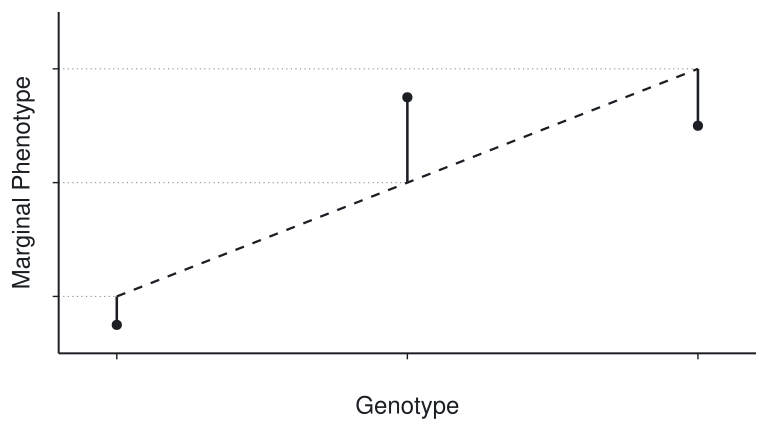
Additive Genetic Variance \(G_A\)
Partitioning of Variation including Microbiome
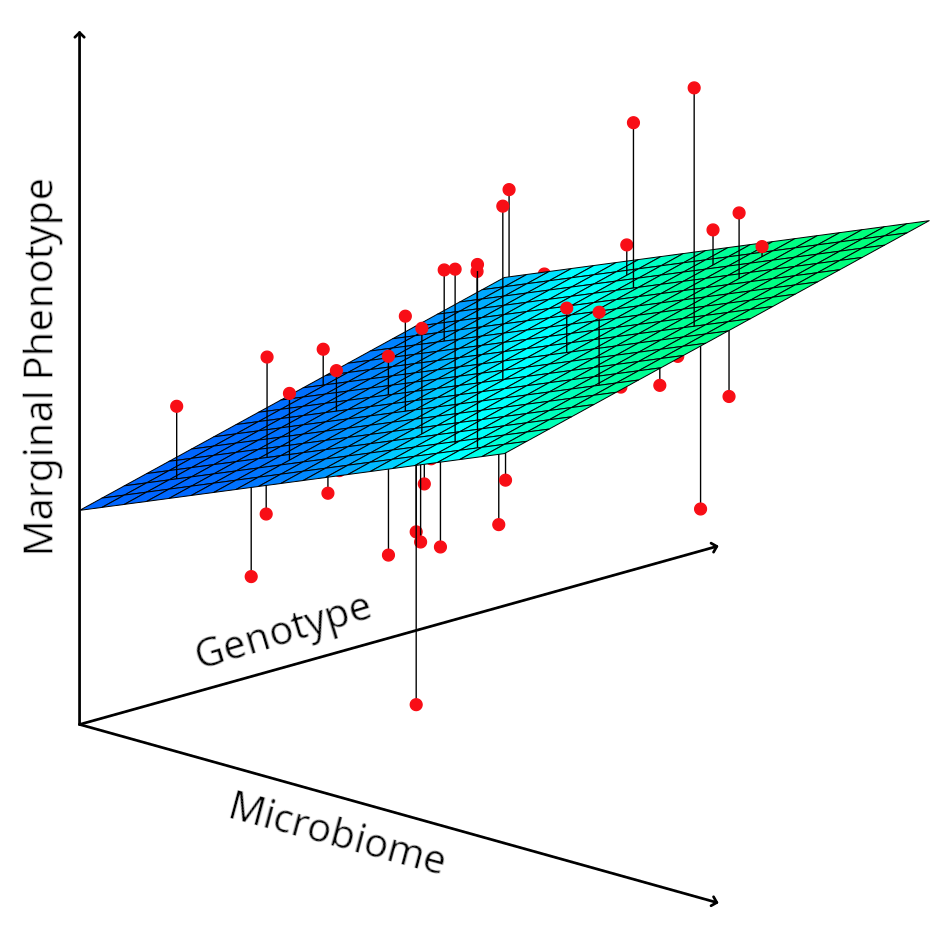
- \(P_A = G_A + M_A + C_A\)
- \(M_A=\) microbial variation
- \(C_A=\) gene-microbe covariance
- Adaptation Prediction:
- Resp. to Sel. = \(P_A\) × Sel. Grad. ?
Not all microbes contribute to adaptation
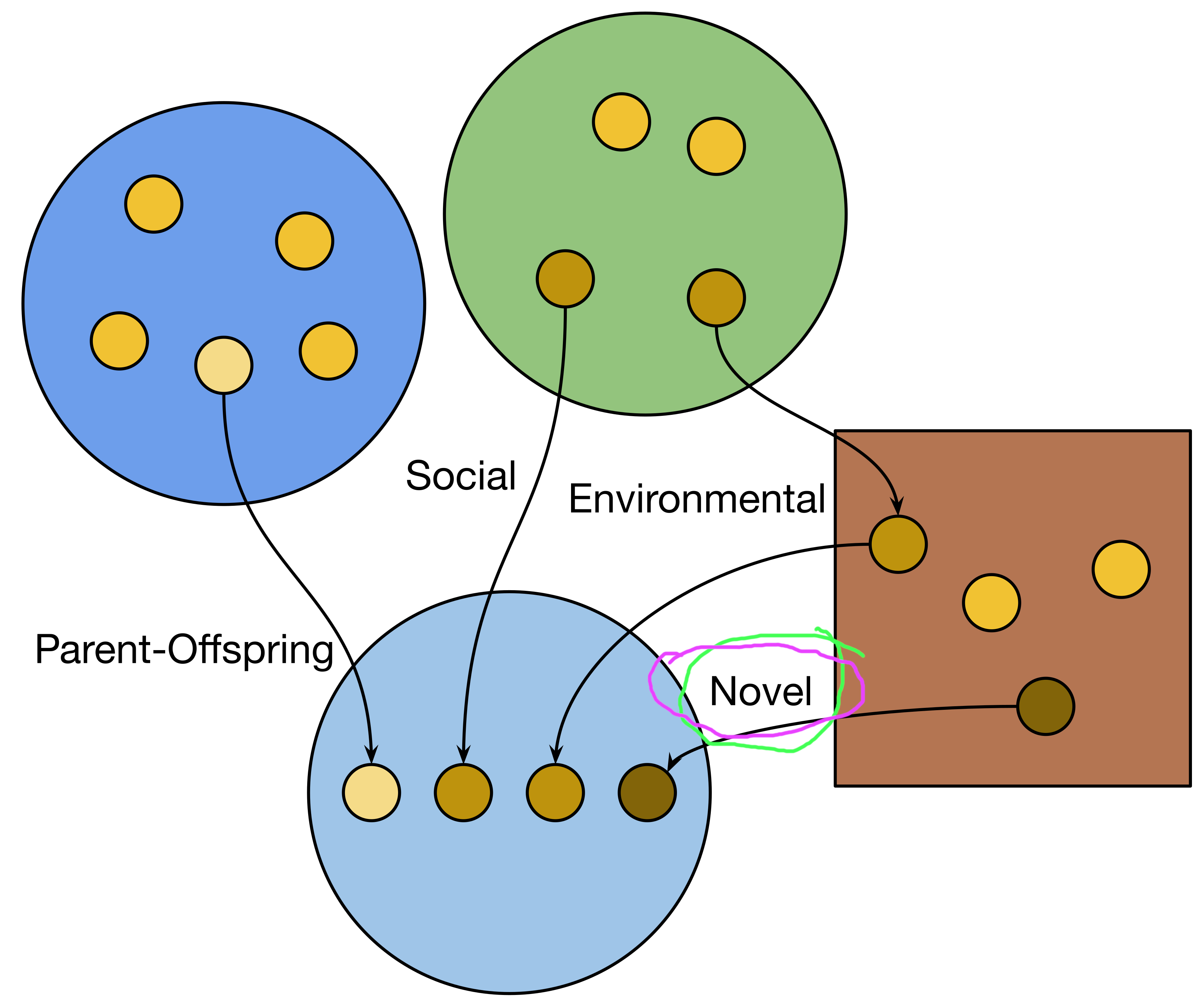
Ancestral Concordance Classification

Lineal Microbes:
Ancestry overlaps with host ancestry
Non-lineal Microbes:
Ancestry in host population
Novel Microbes:
No previous ancestry with host population
classifies individual microbial cells
Partitioning Var. by Ancestral Concordance
\(M_L=\) lineal variance
\(M_N=\) non-lineal variance
\(M_V=\) noVel variance
- (Additive Phenotypic Variation) \(P_A = G_A + {\color{magenta}{M_A}} + C_A\)
- (Additive Microbial Variation) \({\color{magenta}{M_A}} = M_L + M_N + M_V + {\color{gray}{C_{LNV}} }\)
Simulations
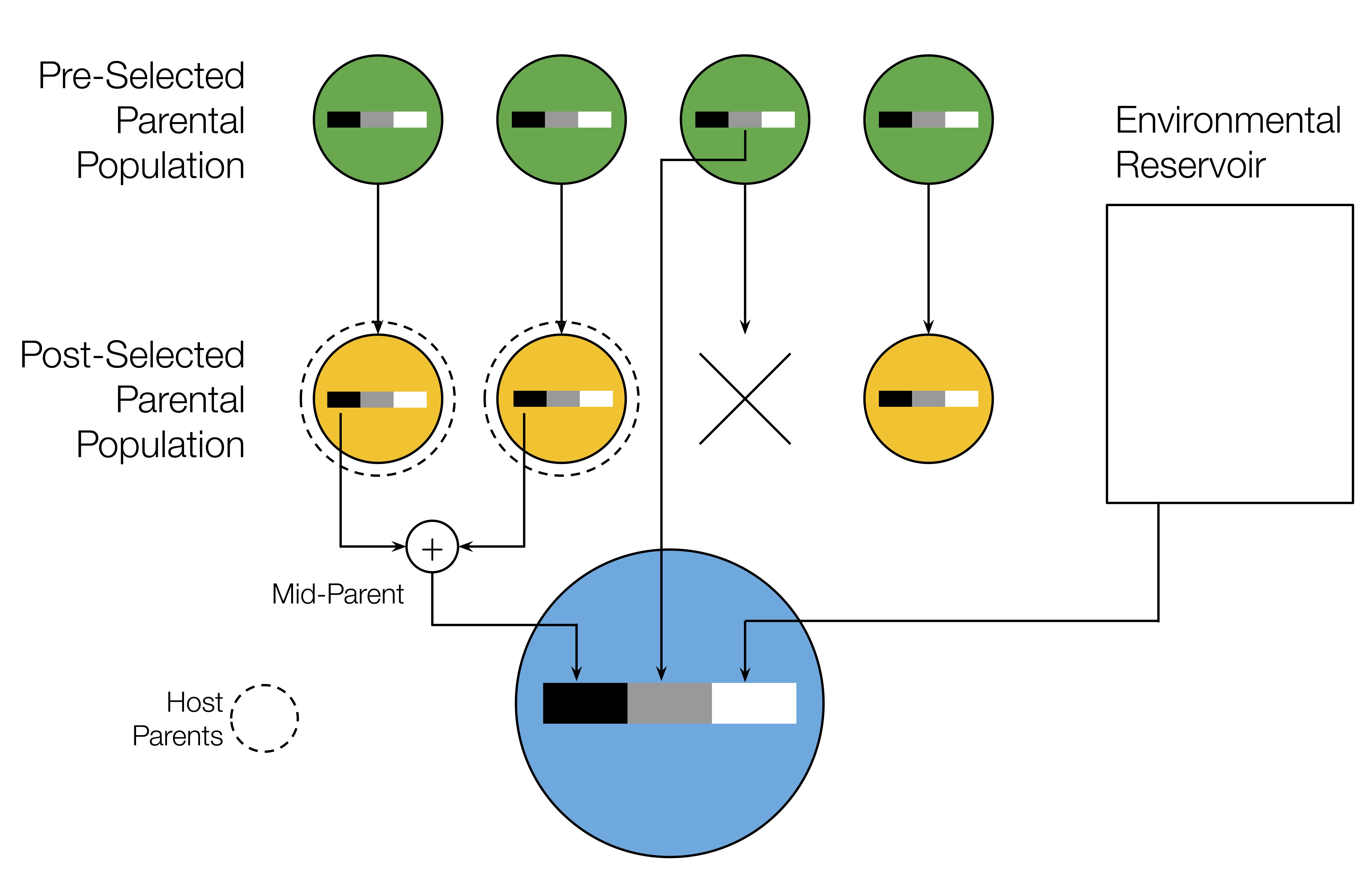
[ 🖤 lineal | 🩶 non-lineal | 🤍 novel ]
Simple inheritance model:
- Lineal abundances
- sampled from parents
- Non-lineal abundances
- sampled from random host
- before or after selection
- Novel abundances
- drawn independently
Additive host trait:
- \(z=\sum_i\alpha_i\,n_i\)
Simulations
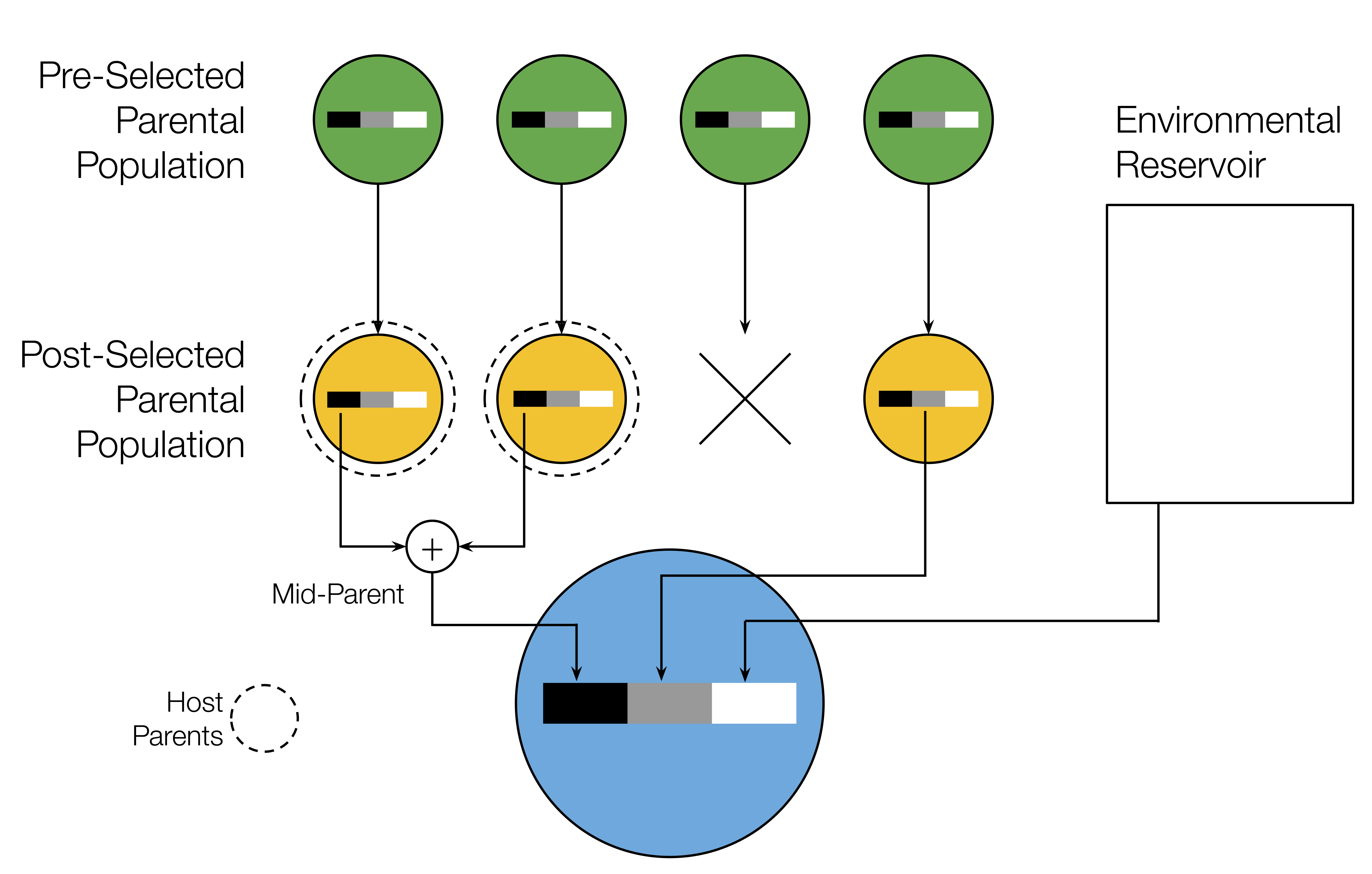
[ 🖤 lineal | 🩶 non-lineal | 🤍 novel ]
Simple inheritance model:
- Lineal abundances
- sampled from parents
- Non-lineal abundances
- sampled from random host
- before or after selection
- Novel abundances
- drawn independently
Additive host trait:
- \(z=\sum_i\alpha_i\,n_i\)
Results
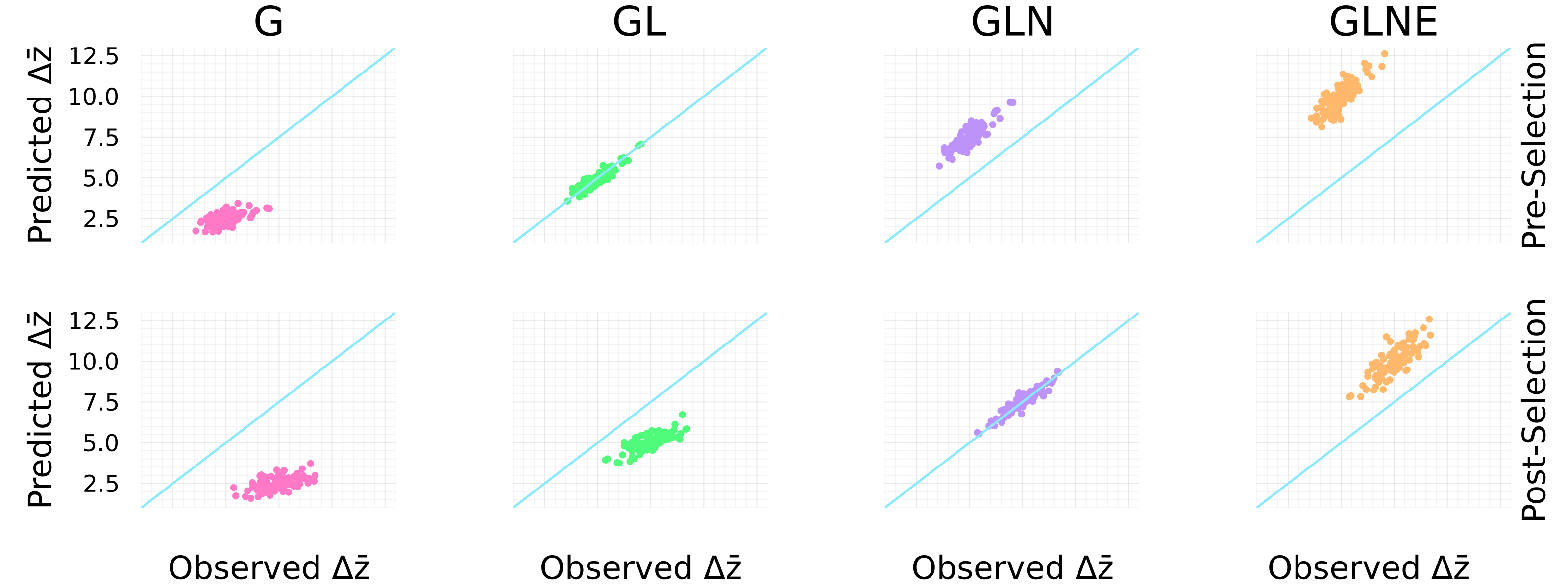
\(\pmb\Delta\mathbf{\bar z}\) = Resp. to Selection, G = Gen. var, L = Lineal, N = Non-lineal, V = NoVel
Conclusion: include only microbe variation shaped by selection
Read all about it!

Thanks Co-Authors



Microbe-Mediated Host Rescue

MPI Plön
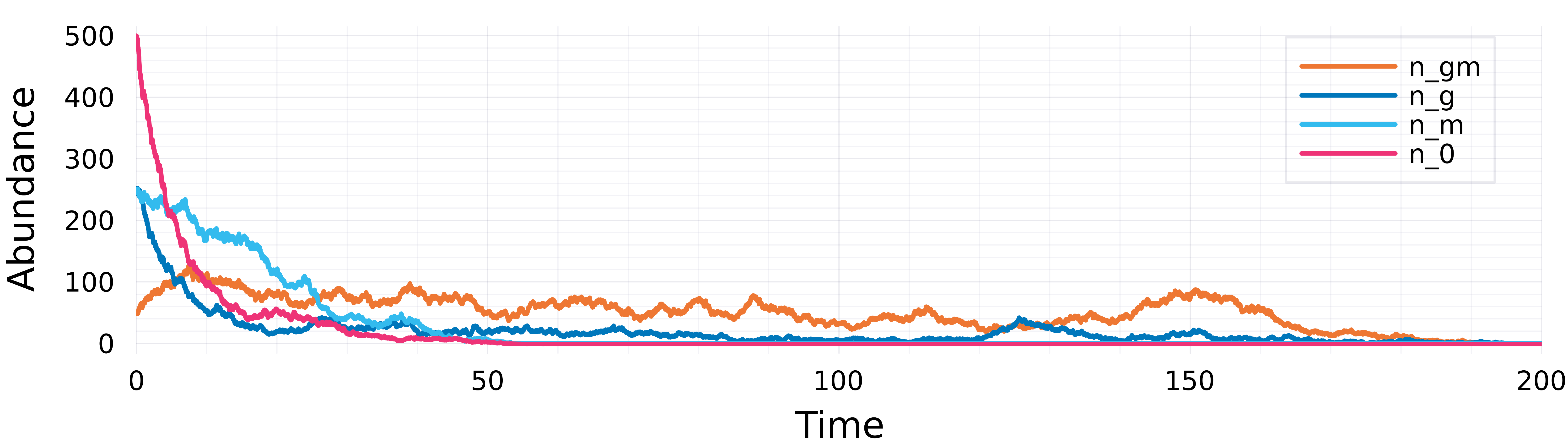
Scenario: Doomed host population
Microbiome: Presence/absence single microbe
- Probability of lineal inheritance
- Rate of social transmission
Fitness: Host gene determines microbe benefit
Results: Delayed host extinction time analysis
Birth-Death Diffusion \(dn=[(r+m)\,n+\psi]\,dt+\sqrt{n}\,dB\)
Microbiome-Mediated Niche Construction

Kiel University
- Mesocosm experiments:
- C. elegans shape microbiome in compost
- Compost conditions degrade
- Microbiome manipulation buffers against \(\Delta E\)
- Quant. Gen. Theory
- Modify \(\Delta\bar z=G\beta\)
- Modelling framework (instead of statistical)
- Microbiome community dynamics ~ mutation
- Feedback with external microbiome
- External microbiome changes effect of env.
- Modify \(\Delta\bar z=G\beta\)
Q: Is microbiome-mediated niche construction a fundamental adaptive process?
Multilevel Selection Framework

MPI Plön
- MLS experiments:
- Selection among C. elegans populations
- MYb11 microbe ~ mutualist/pathogen depending
- Three levels of selection:
- Flasks, Hosts, Microbes
- MLS Model:
- Two microbe types (mutualist/pathogen)
- Host abundance dynamics ~ microbe mediated
- Microbe abundance dynamics
- in hosts, and in substrate
- differential colonization/shedding rates
Q: What promotes alignment of evolutionary interests?
Entangled Banks
Social Microbiome Metacommunity Framework
University of Oxford
clusters
bridges